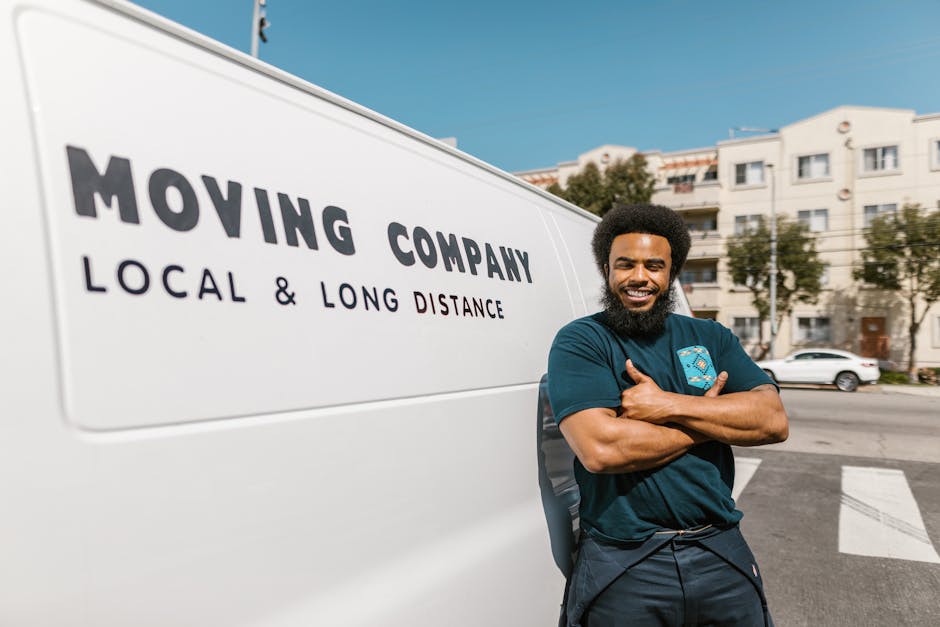
Belmont removals price comparison: man with van vs movers

If you are trying to work out whether a man with van or a full team of movers gives better value in Belmont, you are not alone. It's one of those decisions that looks simple until you start comparing quotes, loading times, access issues, insurance, and whether you actually want to spend your Saturday carrying wardrobes down a narrow hallway. This Belmont removals price comparison: man with van vs movers guide breaks the choice down in plain English, so you can judge the real cost, the likely effort involved, and which option fits your move best.
Truth be told, the cheapest-looking quote is not always the cheapest move. A smaller service can be brilliant for a light load or a short local trip, while a larger removals team may save hours, reduce stress, and protect awkward furniture far better. Below, we'll compare the practical differences, where the money goes, and how to avoid the classic "we'll just wing it" mistake that tends to show up around 7:30 on moving morning.
Why Belmont removals price comparison: man with van vs movers Matters
Price comparison matters because the moving industry does not charge for "moving" in one simple, universal way. It charges for time, labour, vehicle size, distance, access, and risk. In Belmont, where you may be dealing with terraced streets, apartment blocks, limited parking, or a slightly awkward load-in point, those details can change the final price more than people expect.
A man with van service is usually aimed at smaller, quicker, lighter moves. Think student rooms, a few large items, flatshare contents, or picking up furniture. A team of movers is more likely to suit a fuller house move, heavier items, fragile belongings, or a situation where you want proper loading support from start to finish. That difference sounds small, but it changes the quote structure quite a lot.
There's also the stress factor. Let's face it, some people are happy to do the packing, lift the boxes, and manage the timing themselves. Others want the job handled with less faff. If you choose the wrong type of service just because it looked a bit cheaper, you may end up paying more in extra time, extra trips, or physical strain. Not ideal.
For readers comparing options locally, Belmont residents often also look at broader service pages such as removals and home moves to understand what level of support each moving type actually includes.
How Belmont removals price comparison: man with van vs movers Works
The simplest way to compare the two is to look at what you are paying for. A man with van quote often centres on vehicle use plus one person's labour, sometimes with a minimum charge. Movers quotes are usually built around a larger crew, a larger vehicle, and more hands-on service. That is the core difference, but the details matter.
In practice, the price you see usually reflects some combination of:
- Load size - how much furniture and how many boxes need moving.
- Property access - stairs, lifts, narrow entrances, distance from the van to the door.
- Labour required - whether one person can safely handle the move or two or more are needed.
- Journey length - local trips can be more flexible; longer trips may be charged differently.
- Time on site - waiting around, dismantling furniture, and loading/unloading all add up.
- Special handling - pianos, large wardrobes, delicate items, or bulky appliances.
A man with van service can look wonderfully efficient on paper, and for the right move it is. But if the van fills after one run, or if the driver spends half the day carrying items alone, the final bill may stop looking so friendly. Movers can feel more expensive at first glance, yet they often reduce time on site and reduce the chance of delays. That is why a straight "cheapest quote wins" approach is a bit of a trap.
If you want to compare pricing more directly, the most useful starting point is the company's own pricing and quotes page, then match that against your inventory rather than making assumptions from the service title alone.
Key Benefits and Practical Advantages
Both options have clear strengths. The right one depends on the shape of the move, not just the budget.
Why a man with van can be a smart choice
- Usually lower cost for small or medium loads.
- Ideal for short, local Belmont moves.
- Flexible for collections, single-room moves, and furniture pick-ups.
- Often less formal and quicker to arrange.
Why movers can be better value than they first appear
- More labour, so loading is faster and safer.
- Better for stairs, awkward corridors, and heavy furniture.
- Suitable for whole-house moves and more fragile contents.
- Can reduce the need for multiple trips and long delays.
One thing people sometimes miss is that value is not the same as low price. If a job needs two strong people, decent packing, and a larger van, a cheaper solo service may simply be under-resourced for the task. On the other hand, paying for a larger team to move three boxes and a coffee table is overkill. You want the fit to be right. Simple, but not always obvious when you are staring at two quotes and a half-packed hallway.
For extra support with heavier or more complete home jobs, it may also help to review house removals and house movers so you can judge whether a fuller removals service is more appropriate than a light-touch transport option.
Who This Is For and When It Makes Sense
This comparison is most useful if you are deciding between saving money and saving effort. The answer will depend on what you are moving and how much help you want.
A man with van usually makes sense if you:
- Are moving from a studio, small flat, or single room.
- Only have a few bulky items.
- Can pack and load some items yourself.
- Need a local pickup or drop-off rather than a full house relocation.
Movers usually make more sense if you:
- Have stairs, heavy furniture, or fragile items.
- Want help with loading and unloading rather than just transport.
- Are moving a larger property.
- Need packing help, dismantling, or a more structured removals plan.
To be fair, some moves sit awkwardly in the middle. You might have a small flat but a surprisingly heavy sofa, or a larger home with excellent lift access and an easy parking bay. That is why quotes matter. The size of the property matters, yes, but the route from front door to van can matter just as much.
If your move is tied to a business relocation, it may be worth looking at commercial moves or office removals instead of treating it like a standard domestic job.
Step-by-Step Guidance
Here is a practical way to compare the two options without getting lost in sales language or vague estimates.
- List everything you need moved. Include furniture, boxes, appliances, and anything awkward or fragile.
- Note access details. Write down floor level, lift access, parking distance, and any narrow staircases.
- Separate essentials from extras. Do you need packing help, dismantling, or just transport?
- Ask for like-for-like quotes. Make sure each quote covers the same items and the same service level.
- Check time assumptions. Ask how long the move is likely to take and whether waiting time is included.
- Confirm what happens if the load changes. A quote for six boxes is not much use if you end up with sixteen.
- Compare total value, not headline price. Think about labour, vehicle capacity, and how much stress you are removing from yourself.
A decent quote process should feel specific, not vague. If it feels like someone guessed from the sofa count and hoped for the best, maybe pause. That old "it'll probably be fine" line rarely ages well on moving day.
For a smoother booking process, many readers find it useful to review man and van and movers pages side by side, because the service descriptions help clarify what level of support is actually being offered.
Expert Tips for Better Results
Small decisions make a big difference in removals. A few habits can improve your quote accuracy and lower the risk of surprise charges.
- Measure your bulky items. It sounds obvious, but sofas and wardrobes are often bigger than memory says they are.
- Be honest about access. If there are three flights of stairs, say so. It saves everyone hassle.
- Group items by room. Quotes become much more accurate when the mover can understand the actual volume.
- Protect fragile items early. Better packing usually means quicker loading and fewer breakages.
- Book for the realistic finish time. Late afternoon moves can feel tight if the job is larger than expected.
One small tip from real-life moving situations: keep the essentials box separate and visible. Kettle, chargers, toilet rolls, snacks, medication, a basic tool kit - the boring bits that become wildly important once you arrive and the last thing you want is to hunt through ten boxes at 9 p.m.
If you are also thinking about packing support, take a look at packing and unpacking services. Sometimes that extra help changes the whole maths of the move, especially for busy households.
Common Mistakes to Avoid
Most removal regrets are not about the move itself. They are about the planning before the move. And yes, nearly all of them are avoidable.
- Choosing only on price. A low quote can be a false economy if the service is underpowered for the job.
- Ignoring access issues. Parking and stairs can turn a simple job into a long one.
- Not checking what is included. Loading, unloading, dismantling, and waiting time are not always handled the same way.
- Underestimating volume. People almost always have more stuff than they think. It's a law of nature, or at least it feels that way.
- Leaving packing too late. Half-packed boxes and loose items make everything slower.
Another common slip is assuming a man with van is always the budget option and movers are always the premium option. That can be true, but not always. A bigger team can be cheaper overall if they complete the job faster, avoid a second trip, and handle everything in one go. That is why real comparison matters.
If your move also involves disposing of old furniture, it may be worth considering furniture pick up so you are not paying to relocate items you no longer need. Honestly, fewer things to move usually means a calmer day.
Tools, Resources and Recommendations
You do not need fancy software to compare removals properly. A clear list and a few sensible checks go a long way. Still, a few practical tools and resources can help.
- Inventory list: a room-by-room list of everything being moved.
- Phone photos: useful for bulky furniture, awkward access, and parking conditions.
- Box count: even a rough count helps movers size the job more accurately.
- Measurements: especially for wardrobes, beds, sofas, and appliances.
- Booking notes: record special requests, delivery windows, or building rules.
In Belmont, practical local planning can be just as important as price. If you live somewhere with limited parking or timed access, tell the company early. It can make the difference between a tidy, controlled move and a slightly chaotic one that begins with someone circling the street muttering under their breath. We have all been there.
For general guidance on service scope and booking confidence, the pages on removal services, removal company, and removal companies can help you understand the wider range of moving support available.
Law, Compliance, Standards and Best Practice
When comparing removals in the UK, it is sensible to think about basic best practice rather than trying to decode legal jargon. You do not need a law degree to book a van, but you do want to know the service is being handled responsibly.
Good practice usually includes:
- Clear pricing: a quote should explain what is included and what may increase the final cost.
- Appropriate insurance: moving items should be covered in a way that matches the service type. Always ask how cover works.
- Safe lifting and loading: heavier items should be moved with care and sensible equipment where needed.
- Transparent terms: cancellation, delays, and payment expectations should be clear before the move starts.
- Respect for building rules: access arrangements, communal areas, and parking constraints should be managed professionally.
For reassurance, it is worth reading a provider's insurance and safety information and, if you care about provider standards, the health and safety policy. Those pages won't move a sofa for you, obviously, but they do tell you a lot about how seriously the company treats the job.
Payment confidence matters too. Before committing, check the company's payment and security details and the terms and conditions so you understand the practical side of booking.
Options, Methods, or Comparison Table
Here is a simple comparison to help you weigh up the two choices.
| Factor | Man with van | Movers |
|---|---|---|
| Best for | Small moves, single items, short local jobs | House moves, heavy items, fuller relocations |
| Typical labour | Usually one person, sometimes with help by arrangement | Usually a small team |
| Speed | Can be quick for light loads | Often faster for complex or bulky moves |
| Cost shape | Lower starting point, but depends on time and trips | Higher starting point, often better for bigger jobs |
| Stress level | Can be higher if you do more of the lifting yourself | Usually lower because more is handled for you |
| Risk of multiple trips | Higher if the load is underestimated | Lower if the vehicle and crew are sized correctly |
So which is better? If you want the simplest answer: choose a man with van for smaller, lighter, easier jobs; choose movers for larger, heavier, or more complicated relocations. That is the cleanest rule of thumb. But the access conditions, distance, and volume can quickly change the picture.
If you are moving into a new home and want a fuller service than simple transport, compare the options against house removalists as well. The language varies, but the actual service scope is what counts.
Case Study or Real-World Example
Imagine two Belmont moves on the same street, same weekday, same weather. One is a one-bedroom flat with a bed frame, a sofa, a dining table, and about a dozen boxes. The other is a two-bedroom house with white goods, heavier furniture, and a child's bedroom full of mixed items, toys, and storage units.
For the first move, a man with van can be a very sensible choice. The load is manageable, the route is short, and the client is happy to carry some boxes themselves. If the van parks close enough, the move can be neat and efficient. A few careful runs, job done.
For the second move, the same setup can start to wobble. More items mean more lifting. More lifting means more time. More time means the quote may creep up, and the risk of fatigue or mishandling increases. That is exactly where movers can become better value. Two people loading properly, a larger vehicle, and a plan for heavier items often produce a smoother day overall.
In real life, the tipping point is often less dramatic than people expect. It is not always "tiny move versus giant move." Sometimes it is just one awkward staircase, one heavy wardrobe, or one tight parking bay that makes the bigger removals team the more sensible option. And then the whole decision changes.
Practical Checklist
Use this before you request quotes or book a service.
- Make a room-by-room inventory.
- Count boxes and list bulky items separately.
- Measure large furniture and appliances.
- Note floor level, lift access, and stair width if relevant.
- Check parking and loading distance outside both properties.
- Decide whether you need packing support or furniture dismantling.
- Ask what happens if the move takes longer than expected.
- Confirm insurance and payment terms before booking.
- Compare at least two service types, not just two prices.
- Keep essentials, documents, and valuables with you.
Quick summary: if your Belmont move is small and straightforward, a man with van can be efficient and cost-conscious. If your move is larger, heavier, or likely to be fiddly, movers may save you time, physical effort, and quite possibly money overall.
Get a free quote today and see how much you can save.
Conclusion
The best Belmont removals price comparison is not just about the number on the quote. It is about matching the service to the move you actually have, not the move you wish you had. A man with van can be a tidy, affordable solution for smaller jobs. Movers can be the better-value option when the job is larger, more demanding, or more time-sensitive.
If you compare the load properly, check access carefully, and ask clear questions about time, labour, and insurance, you give yourself the best chance of a calm move. That is the real win here. Less guesswork, fewer surprises, and a lot less carrying than you were probably hoping for. To be fair, that last part is usually the point.
And once it is all done, with the kettle back in place and the boxes stacked neatly against the wall, the whole thing feels a bit easier than it did in the middle of planning. Small relief, but real.
Frequently Asked Questions
Is a man with van always cheaper than movers?
Not always. A man with van often has a lower starting price, but if the job takes longer, needs multiple trips, or involves difficult access, the final cost can move closer to a removals quote. For bigger jobs, movers may actually offer better overall value.
Which option is better for a one-bedroom flat in Belmont?
It depends on how much furniture you have and whether you can help with packing or lifting. A small, easy-to-access one-bedroom flat may suit a man with van. If you have bulky furniture or stairs, movers may be the safer choice.
What makes removals quotes more expensive?
Common price drivers include volume, distance, access, number of floors, heavy items, waiting time, and whether the job needs more than one person. Packing support and dismantling can also affect the price.
Do movers include loading and unloading?
Usually yes, but the exact service can vary. Always check what is included in the quote. Some providers offer basic transport only, while others provide a fuller end-to-end removals service.
How do I know whether I need a bigger team?
If you have several heavy items, limited access, or a lot of boxes, a bigger team is usually worth considering. A good rule is this: if one person would struggle to lift, carry, and load safely, don't try to force the cheaper option.
Can I compare quotes using photos instead of a site visit?
Yes, photos can be very helpful for standard local moves. Include pictures of your furniture, box piles, stairs, entrances, and parking space. For more complex moves, a more detailed discussion is often better.
Are man with van services suitable for furniture pick-ups?
Yes, they often are. If you are collecting a few items, a single sofa, or a second-hand table, a man with van can be a practical choice. For larger furniture collections, check whether a fuller removal service would be more efficient.
What should I ask before booking movers?
Ask what the quote includes, how many people are coming, whether insurance is in place, how long the job may take, and what happens if access is more difficult than expected. That few minutes of clarity can save a lot of stress later.
Is packing service worth the extra money?
If you are busy, moving a large household, or dealing with fragile items, packing support can be well worth it. It often speeds up the move and reduces breakage risk. For smaller moves, it may be more than you need.
What if my move turns out bigger than expected?
Tell the provider as soon as you realise. Good removals companies can often adjust the plan, but the earlier you update them, the better. Last-minute surprises are where budgets tend to wobble.
Should I choose a removals company for office moves too?
For office relocations, yes, that is often the smarter route. Business moves usually involve equipment, schedules, and downtime considerations, so a more structured service like office relocation services can be more appropriate than a standard transport-only option.
How can I make my quote more accurate?
Provide a full inventory, honest access details, measurements of big items, and clear timing expectations. The more specific you are, the less likely the final price is to drift. Simple really, though people do forget it all the time.
Where can I learn more about the company before booking?
You can review the company's about us page, then check its policies on safety, payment, and terms so you know how it works before confirming anything.