Man With Van in Belmont for practical home and business removals

Man With Van Belmont provides a straightforward removal service for customers who need items moved with care and without unnecessary complexity. The focus is on local and longer-distance moves of household goods, single pieces of furniture, light commercial items and general load transport, with the work shaped around the size of the job rather than a one-size-fits-all approach. For many people, that means a reliable way to move what matters without booking a full-scale lorry.
Our service is suited to smaller domestic moves, student relocations, furniture collection, office clearances and other jobs where a man and van style solution is the right fit. We can help with loading, secure transit and unloading, and we can also support customers who want the move handled in stages. Clear planning matters, especially when access, parking or fragile items need a little extra thought.
For a simple next step, keep the main details together and send them through when you are ready. If you are comparing options, it also helps to look at the scope of the move and the type of vehicle or labour support needed. When you want to talk it through, make contact and request a quotation.
Home moves handled with care and sensible planning
House moves often involve more than transporting boxes from one place to another. Furniture may need dismantling and reassembly, fragile possessions need protection, and the route through the property can matter as much as the journey itself. Our home moving service is built around those practical details, so the removal is organised around the real contents and the access available at each end. That keeps the process manageable for flats, terraces and family homes alike.
We can move everyday household items such as beds, wardrobes, tables, appliances, boxed belongings and mixed room contents. Where needed, the work can be approached as a partial move rather than a complete house clearance, which is useful when customers are transporting selected items only. If you are weighing up whether a small van service is enough, it is often sensible to think about volume, weight and whether awkward furniture needs specialist handling.
Good preparation does not need to be complicated. A basic inventory, a note of any tight stairways or restricted parking, and an indication of fragile or bulky items can help shape the job. Home moves are easiest to plan when the load is described clearly, and that same approach helps with decisions about timing, loading order and the amount of labour required on the day.
Furniture pick-up and careful single-item transport

Not every customer needs a full move. Some jobs are simply about collecting one item, a set of matching pieces or a purchase that will not fit in a standard car. Our furniture pick-up service is designed for those smaller transport tasks, whether the collection comes from a shop, a private seller or another property. It is a practical option when the item is valuable, bulky or too awkward to lift without support.
Single-item removals can still need proper handling. A chest of drawers, sofa, wardrobe or dining table may be manageable in size but awkward in shape, and damage often happens when items are rushed or stacked badly. We focus on secure loading, sensible spacing and careful unloading so the item arrives in a condition that reflects the care taken during the move. Where dismantling is required, that should be discussed in advance.
Useful details for this type of job include approximate dimensions, whether the item comes apart, and whether there are stairs, shared entrances or narrow corridors to navigate. If the piece is part of a wider collection, that can usually be arranged too. Furniture pick-up suits customers who want a simple route from point A to point B without overcomplicating the process.
Office removals for smaller workspaces and commercial loads
Business moves often need a practical, low-disruption approach. Our office removals support small offices, studios, home workspaces and commercial rooms where desks, filing, IT equipment and stock need relocating in an organised way. The aim is to keep the move clear and orderly, with attention paid to the sequence of loading, the fragility of equipment and the need to keep business items separate.
Commercial removals can involve more than furniture. Boxed files, monitors, printers, retail shelving and general stock all need different handling, and some items are better moved in labelled groups rather than mixed together. We can manage that kind of structure, which helps reduce confusion at unloading and makes it easier to get back to work once the move is complete. A sensible plan also reduces the chance of damage from poor stacking.
If your business move is straightforward, a focused van service can be the most efficient way to handle it. For larger or split-location projects, it may help to separate the load into sections and decide what should be moved first. Office removals are often best arranged around the contents list and the access at both premises.
What our removal service covers

Our removal service covers a broad range of moving tasks that sit between courier work and full-scale relocation. That includes household furniture, mixed box loads, light commercial goods, machine parts, archive material and other items that are suitable for van transport. Because the service is flexible, it can be matched to the kind of move you need rather than forcing you into a fixed package that includes things you do not want.
There are several ways customers use this type of support, and it is useful to distinguish them clearly before the job begins:
- moving selected belongings from one property to another
- transporting larger pieces of furniture after a purchase
- carrying office or workshop items between premises
- moving boxed goods that need secure, direct transport
- supporting partial clearances where some items stay behind
This flexibility matters because the safest and most efficient removal is usually the one that fits the load properly. A job with only a few items may need little more than transport, while a mixed move may need loading assistance and careful stacking. Removal services are best chosen with an eye on the contents, the route and how much help is needed at either end.
Pricing and quotes for different moving needs
Prices for man and van work usually depend on a combination of load size, access, distance, time on site and whether loading or unloading assistance is required. A short local collection can be very different from a multi-stop move or a job with multiple bulky items. When a quotation is based on the real shape of the move, it is easier to compare options and avoid unnecessary extras.
It also helps to think about any factors that could change the amount of time required. Stairs, parking restrictions, dismantling, waiting time and special care for fragile pieces all affect the amount of work involved. The most useful quotation request is one that describes the contents plainly and identifies any awkward items or access issues early, so the plan can be built around facts rather than guesswork.
For customers who want a clearer starting point, pricing and quotes is the right place to begin. We can then discuss the move in practical terms and shape the service around the items, the route and the kind of support you need. If you are ready to compare choices, ask for a quotation today.
Man and van support for local and wider journeys
A man and van service works well when you need transport that is more flexible than a standard delivery but less involved than a full removals crew. It can suit individual customers, landlords, businesses and anyone else who needs items moved in a controlled and efficient way. The appeal is often in the balance: enough labour to lift and load sensibly, with a vehicle that is sized to the task.
That balance makes it useful for a wide range of jobs, from moving a sofa across town to taking a careful load to another part of the country. The same service can also be used for ad hoc transport where timing is important but the quantity of goods is modest. A well-planned van move keeps the process simple, and it gives customers a direct way to move goods without arranging multiple handlers.
When deciding whether this is the right fit, think about the weight of the load, the value of the items and whether they can be stacked safely. Man and van transport is especially useful where flexibility matters more than scale, and where a direct, personal approach is preferable to a large fixed operation.
About Belmont
Belmont is a place name used in several parts of Britain, and the best-known examples often combine residential streets with established local amenities, schools, parks and transport routes. In many cases, the name sits on a hillside or higher ground, which is reflected in the way it appears in local street patterns and neighbourhood boundaries. Where Belmont forms part of a larger town, it is usually understood as a distinct district rather than a separate settlement, with day-to-day life shaped by nearby centres, local shops and regular bus or road connections. The name itself is also common in historic property titles and road names, which can make it appear in both urban and suburban settings. In places such as these, the built environment may include post-war housing, older villas, infill developments and modern commercial buildings, creating a mixed streetscape that changes from one road to the next. Green spaces, playing fields and small wooded areas are often a feature of the wider locality, providing a contrast to busier main routes. The cultural life of a Belmont area is generally tied to the borough, town or city it belongs to, so local clubs, churches, schools and community venues tend to be important reference points. Because the same place name exists in different regions, any fuller description of a specific Belmont needs a clear geographical frame rather than assuming a single national identity.
Packing, loading and moving fragile items

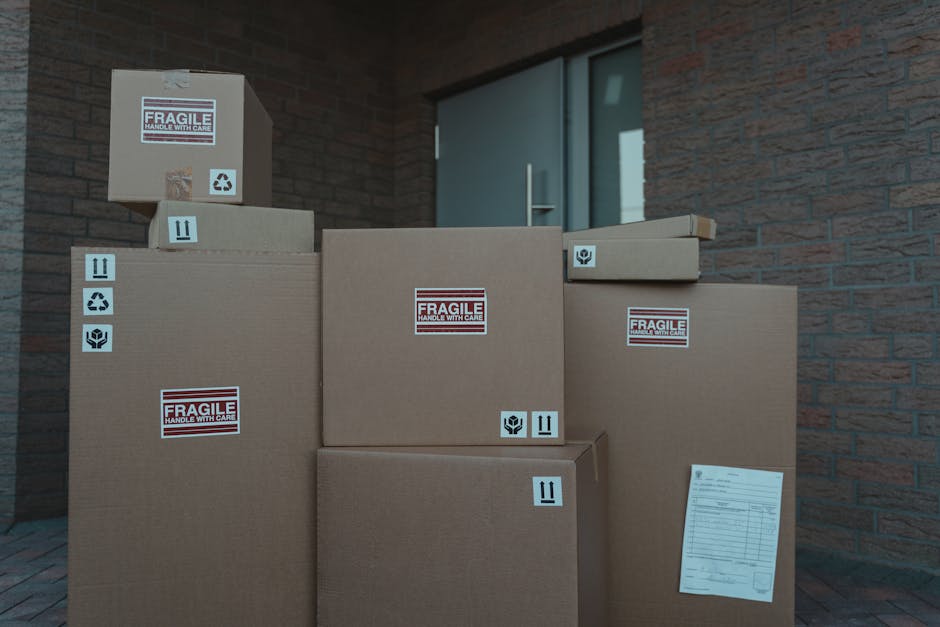
Packing is not just about making a load fit. It is also about preventing movement, reducing pressure on delicate surfaces and keeping the unloading process organised. Our packing and unpacking support can be useful when customers have glassware, artwork, kitchen equipment, electronics or mixed household items that need extra attention. We aim to keep the process orderly, with suitable materials and a sensible sequence for heavier and lighter goods.
Loading skill matters just as much as packing. Heavy items should be positioned so they sit securely, lighter boxes should not be crushed, and awkward shapes need enough room to avoid rubbing or tipping during transit. The point is not to overcomplicate the move, but to protect the contents from avoidable movement. When handled well, a modest van load can be just as secure as a much larger one.
If you are arranging a move that includes breakables or valuable pieces, make sure the sensitive items are identified early. Packing and unpacking services can support that process by helping the move stay controlled from the first lift to the final placement. If that sounds suitable, send through the details and request a quotation.
How we approach loading, access and vehicle choice
Choosing the right vehicle and loading method is a practical part of any removal. A van that is too small can create extra trips, while one that is too large for the job may be less convenient to position at the property. Our approach is to match the vehicle and labour to the job as closely as possible, so the move feels organised and efficient rather than improvised.
Access at both addresses can influence how the work is handled. Narrow roads, shared driveways, upper-floor flats and limited waiting space may all affect the loading sequence. Where a move involves multiple stops, it can help to separate items by destination before the day begins. That makes unloading easier and reduces the chance of confusion once the van is open and the cargo needs to be distributed.
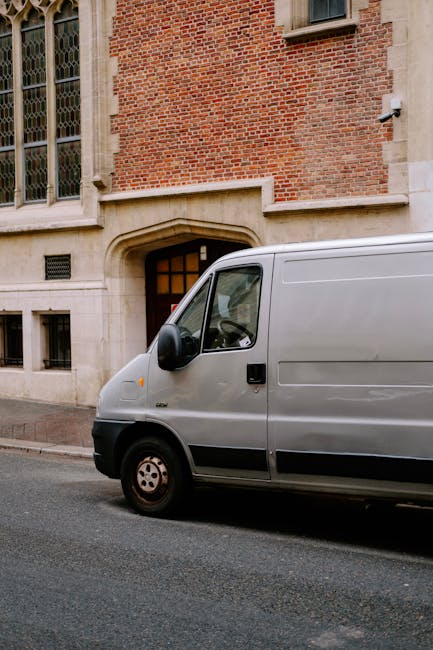
For some jobs, a simple removal van is enough. For others, the contents, access and distance suggest a broader removal service. Removal van support is often chosen when customers want direct transport with the right vehicle size for the load, and that is the sort of practical decision we help people make every day.
Office and home moves, properly organised
Some customers need help with mixed jobs that combine domestic and commercial items, such as a home office move, a rented property changeover or a small business relocation from a domestic base. These jobs benefit from a structured approach because the load may include furniture, paperwork, technology and personal possessions in the same move. Clear grouping prevents the process becoming chaotic and makes the destination easier to set up afterwards.
It is also worth considering whether any items need to be moved in a particular order. For example, a desk or bed frame might need to come out first so the rest of the load can be stacked safely, or a fragile box may need to stay separate from heavier goods. Planning those details early helps the job feel smoother on the day and usually saves time during unloading.
Commercial moves can be arranged with that same practical mindset, especially where the business contents are modest but still need care. If you want a move that feels orderly rather than rushed, the simplest next step is to ask for a quotation based on the items you actually need transported.
Why customers choose a flexible removal company
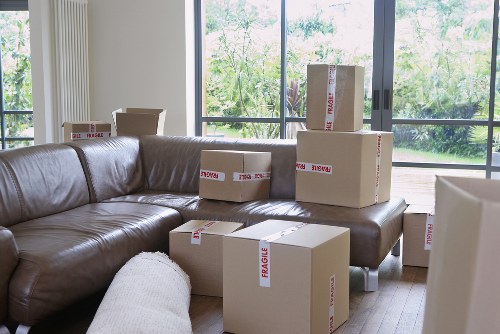
Customers often choose a flexible removal company when they want the move to fit around their contents rather than the other way round. Some need one item moved; others need a few rooms cleared; others want a measured approach to transport between properties. The value of that flexibility is that it allows the job to stay proportionate, with support aimed at the actual task instead of an oversized package.
We can also discuss how the move should be staged if that makes the process easier. For example, you may prefer to separate furniture from boxes, or split a large move into two smaller loads. These decisions are best made before the day of the move, when there is time to think about access, handling and the sequence of loading. A clear outline leads to a better-organised job.
If you are ready to take the next step, contact us and request a quotation. Whether the move is straightforward or a little more involved, we can discuss the contents and help you plan it sensibly.