Belmont Road removals for Victorian homes with narrow halls
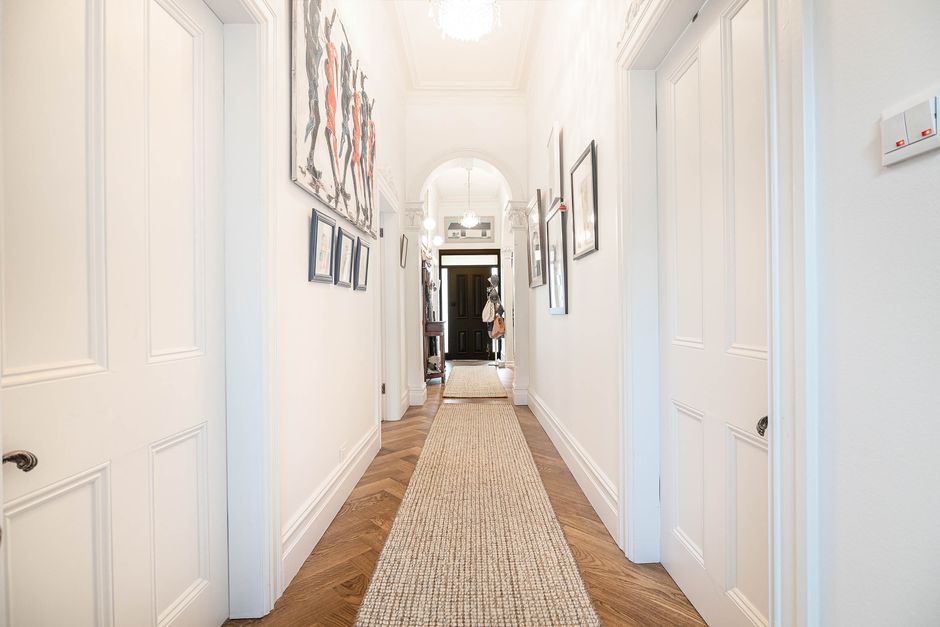
If you are planning Belmont Road removals for Victorian homes with narrow halls, you already know this is not a standard lift-and-load job. Victorian houses are full of character, but they can also be wonderfully awkward: tight staircases, low-ish ceilings in places, sharp corners, delicate bannisters, and hallways that seem to shrink the moment a sofa appears. It is the kind of move where a few centimetres matter, and a calm plan makes all the difference.
This guide walks you through what to expect, how the process works, what to avoid, and how to make the whole thing less stressful. Whether you are moving a family home, shifting furniture inside a period property, or trying to get a large item out without marking the walls, the details below should help you make better decisions and, frankly, save a lot of faffing about.
For readers comparing services, it can also help to look at the wider picture of removal services and how they differ from a more flexible man with van setup. The right choice depends on access, volume, timing, and how tricky those narrow halls really are.
Quick takeaway: Victorian homes with narrow halls need slower planning, more protection, and better measuring than a typical move. Get the access right first, and the rest becomes much easier.
Table of Contents
- Why Belmont Road removals for Victorian homes with narrow halls Matters
- How Belmont Road removals for Victorian homes with narrow halls Works
- Key Benefits and Practical Advantages
- Who This Is For and When It Makes Sense
- Step-by-Step Guidance
- Expert Tips for Better Results
- Common Mistakes to Avoid
- Tools, Resources and Recommendations
- Law, Compliance, Standards, or Best Practice
- Options, Methods, or Comparison Table
- Case Study or Real-World Example
- Practical Checklist
- Conclusion
- Frequently Asked Questions
Why Belmont Road removals for Victorian homes with narrow halls Matters
Victorian homes have a lovely habit of looking bigger from the outside than they feel once you start moving furniture through them. That is not a criticism, just reality. Narrow halls, turning points, stairs that seem to twist at the worst possible angle, and original features like coving or woodwork can make a move more complex than people expect.
This matters because the wrong approach can cause avoidable damage to the home, the belongings, and everyone's patience. A bulky wardrobe forced around a tight corner can scrape plaster. A sofa that is "just about" wide enough may not actually pivot through the hallway without standing on end. And a rushed move often leads to more lifting, more risk, and more stress. Nobody wants that on a wet Tuesday at 8:15 in the morning, with the kettle still cold and the keys already handed over.
In Belmont, many older properties were built with character first and moving logistics second. So the real challenge is not simply transporting items from A to B. It is understanding how to preserve the home's narrow passageways, protect the staircase, and choose the right loading pattern so the move flows rather than fights you every step of the way.
That is why experienced teams often start by studying access before they quote. Not just the postcode, but the actual movement route: front path, hallway width, stair turns, furniture sizes, parking distance, and whether a large item can be dismantled safely. The move becomes far more predictable once those details are known.
How Belmont Road removals for Victorian homes with narrow halls Works
A good move in a Victorian home usually begins long before the van arrives. The planning stage is where most of the heavy lifting happens, mentally speaking. A careful removals team will normally assess access, ask about item dimensions, and plan the order in which the furniture should come out or go in.
Here is the usual flow, in plain English:
- Access review: The mover looks at hall width, stairs, doors, corners, and parking space.
- Item check: Large items such as sofas, beds, wardrobes, pianos, and dressers are measured or described.
- Protection plan: Floor coverings, door wraps, blankets, and corner protection are prepared.
- Route planning: The team decides which items should move first and whether anything needs dismantling.
- Loading and handling: Items are carried in a sequence that reduces bottlenecks in the hall and stairs.
- Final sweep: The property is checked for missed items, snags, or minor damage concerns before departure.
In a narrow hallway, sequence matters a lot. If the wrong item goes first, you can block the route for everything else. It sounds obvious, but on moving day the obvious things are the first to go out of the window. A compact item may need to move ahead of a large one purely so the team can keep the route clear.
There is also a practical difference between a standard home move and a narrow-access move. In the latter, the emphasis is on control, not speed. That may mean taking a radiator cover off, removing a table leg, or using extra hands to steady an item through a difficult turn. It is slower, yes. But slower is often safer.
If you are comparing move types, a service like home moves may suit a full-house relocation, while a more focused man and van removals option can work well for smaller loads or partial moves. The real trick is matching the job to the access, not just the item count.
Key Benefits and Practical Advantages
When the access is tight, the right removals approach offers more than convenience. It can change the whole experience of moving day. A few of the biggest advantages are worth spelling out.
- Less risk of damage: Good handling and proper protection reduce scuffs on walls, banisters, and doors.
- Better control in tight spaces: Experienced movers know how to angle, pivot, and pause without turning the hallway into a wrestling match.
- Faster problem-solving: If a piece will not fit, a practical team will suggest dismantling, rearranging the route, or changing the carry plan.
- Cleaner finish: Floor protection and wrapping help preserve the property, which is especially important in period homes with character features.
- Less personal strain: Carrying heavy furniture through narrow halls is hard work and not worth injuring your back over.
There is another benefit people sometimes miss: confidence. When you know the access has been thought through, you stop second-guessing every doorway. That alone can make moving day feel less chaotic. Truth be told, calm is underrated in removals.
For anyone worried about belongings arriving damaged, it is worth reading about the company's approach to protection and accountability. Information on insurance and safety can help you understand what standards are in place before anything is lifted.
Who This Is For and When It Makes Sense
This type of move is for anyone dealing with older homes where access is more challenging than it first appears. That includes homeowners, tenants, landlords arranging a turnaround, and anyone moving into or out of a Victorian terrace, semi, or converted period property with narrow internal passageways.
It also makes sense if you have one or more of the following:
- a long hallway with limited turning space
- a staircase that bends or tightens at the landing
- large furniture that may need partial dismantling
- delicate fittings or features you want to protect
- a move that needs to be quick but not careless
- limited parking or a walk from van to front door
Some customers only need help with a single awkward item. A heavy wardrobe that has to pass through a narrow hall is often a bigger challenge than a whole pile of boxes. Others are dealing with a full house move and want the whole process handled with less drama. Both are valid. Neither is "too small" or "too complicated" if the access is difficult enough.
If your situation is more about furniture than a full relocation, you may find options like furniture pick up useful for isolated items, especially when you are clearing a room before decorators arrive or replacing old pieces in a heritage property.
Step-by-Step Guidance
If you want the move to go smoothly, treat it like a sequence rather than a single event. The more you prepare beforehand, the less improvisation you need on the day. And improvisation, on a narrow staircase, is not usually your friend.
1. Measure the critical points
Start with the hall width, door openings, landing space, stair turns, and the largest items to be moved. Do not guess if you can help it. Measure the item at its widest point, including handles, feet, and anything that sticks out.
A common issue is assuming a sofa will fit because the room it came from felt spacious. Then the hallway says otherwise. It happens all the time.
2. Identify awkward items early
Make a list of anything likely to cause trouble: wardrobes, beds, dressers, mirrors, armchairs, white goods, and anything fragile or awkwardly shaped. Some items are straightforward once properly protected. Others need a dismantling plan or specialist handling.
If you are moving something especially delicate, such as a piano, it is wise to treat it as a separate risk category rather than "just another big item."
3. Clear routes before the team arrives
Hallways in Victorian homes have a talent for collecting shoes, baskets, umbrellas, prams, and random bits you forgot were there. Clear the path fully. Small clutter can slow a move more than people expect.
4. Protect the property
Floor runners, blankets, cardboard, and corner guards can make a huge difference. Period plaster, painted skirting, and timber rails are all vulnerable to knocks. A tiny bump at speed can leave a mark you notice for months.
5. Decide what should be dismantled
Not everything needs to come apart, but some pieces really should. Bed frames, shelving, and some wardrobes are easier and safer when partly dismantled. A good mover will tell you where dismantling helps and where it adds unnecessary handling.
6. Load in the right order
Big items should not trap smaller ones in the hall. Load by route logic, not just by size. That may mean taking smaller items out first to create space for the larger carry. It is one of those small decisions that saves a lot of friction later.
7. Check everything before the van leaves
Do a final walk-through. Check cupboards, loft spaces, under stairs, and behind doors. The last thing anyone wants is the keys handed over and then a late discovery of the bedside lamp still hiding in the back room.
Expert Tips for Better Results
In our experience, the moves that go best are the ones where people think like planners for a day. Not perfectionists. Just prepared.
- Use your best measurements, not rough guesses. "About six feet" is not very helpful when a wardrobe needs to turn on a landing.
- Take photos of awkward spaces. A picture of the hallway, staircase, and front access often reveals more than a quick phone call.
- Reserve parking early if needed. Even a short walk from van to front door can change the timing and effort involved.
- Protect corners, not just floors. Corners take a lot of accidental contact during tight turns.
- Keep tea and biscuits nearby. Slightly silly, yes, but morale matters. A small pause can reset a tiring morning.
One practical tip that often gets overlooked: plan for the item that fits least comfortably, not the item that is easiest to carry. The difficult piece sets the pace for everything else.
If you want help with packing before the movers arrive, a service such as packing and unpacking services can be worth considering, especially when you need boxes packed tightly but not overfilled. Overpacked boxes are a nuisance, and they tend to complain about it halfway down the stairs.
Common Mistakes to Avoid
Most problems in narrow-hall removals are preventable. The common mistakes are usually simple ones, which is both annoying and reassuring in equal measure.
- Not measuring furniture properly - especially the widest points and the turning space needed.
- Leaving access until the day of the move - by then, there is little room to adjust.
- Forgetting to protect fragile features - bannisters, skirting, architraves, and wall corners need attention.
- Trying to force oversized items through - if it does not fit comfortably, rethink the approach.
- Ignoring parking and walking distance - a narrow hall plus a long carry is a very different job.
- Choosing the wrong move type - not every job needs the same vehicle or team size.
One of the biggest errors is optimism bias. People look at a room and think, "We'll manage." Sometimes you will. Often you can. But "should" and "will" are not the same thing. Better to know early than discover the hard way on the landing.
Another mistake is assuming all removals companies handle period properties in the same way. They do not. Some are better with large suburban houses and open access; others are much more comfortable with older homes and tight internal spaces. If access is a concern, ask direct questions and expect direct answers.
Tools, Resources and Recommendations
You do not need specialist gear for every move, but the right tools make a surprisingly big difference. Even small items can save a lot of frustration.
- Measuring tape: Essential for doors, halls, furniture, and turning points.
- Furniture blankets: Helps reduce scuffs and impact damage during awkward carries.
- Floor protection: Useful for painted floors, polished boards, and vulnerable finishes.
- Ratchet straps and tie-downs: Help secure items safely in transit.
- Basic tool kit: Handy for dismantling beds, removing legs, or loosening fittings.
- Labels and tape: Keep room-by-room packing organised, especially in larger homes.
For broader planning, you may also want to read up on pricing and quotes so you understand how access, timing, and complexity affect the estimate. A move with narrow halls is rarely priced like a simple one-bedroom lift, and that is completely normal.
It can also help to think about sustainability. Reusing packing materials where sensible and reducing unnecessary trips is better for both efficiency and waste. If that matters to you, the company's approach to recycling and sustainability may be worth a look.
Law, Compliance, Standards, or Best Practice
For removals in the UK, the main concern is usually less about dramatic legal complexity and more about doing things properly, safely, and with due care. That means handling belongings responsibly, protecting property, and using suitable vehicles and equipment for the job.
Where a move involves parking near the property, local parking conditions and any permit requirements should be checked in advance. Narrow-road Victorian areas can be difficult for loading, and it is sensible to plan around time restrictions or limited stopping space rather than hoping for the best. Hope is lovely. It is not a parking strategy.
Good practice also includes:
- using appropriate lifting techniques and team handling for heavy items
- protecting common contact points such as bannisters and corners
- securing items properly in the vehicle
- being transparent about access limitations before the move
- confirming any special handling needs for fragile or high-value items
It is wise to check the company's published policies on health and safety and payment and security so you know how the work is managed and how your booking is handled. Clear information is a good sign. So is a calm, practical approach to awkward access.
Options, Methods, or Comparison Table
Not every narrow-hall move needs the same solution. Some jobs are ideal for a simple van and a couple of experienced hands. Others need a fuller removals setup, especially if there are many rooms, large furniture pieces, or limited loading access. The comparison below should help.
| Option | Best for | Strengths | Trade-offs |
|---|---|---|---|
| Man and van | Smaller moves, single items, lighter loads | Flexible, often quicker to arrange, good for tight access if the load is manageable | Less suited to larger houses or many bulky items |
| Full removals team | Whole-home moves, multiple large items, more complex access | More hands, better for coordination, easier on moving day | Usually more expensive than a smaller setup |
| Partial dismantle-and-carry | Wardrobes, beds, awkward furniture, narrow stair turns | Improves fit and reduces damage risk | Needs time, tools, and careful reassembly later |
| Item-specific move | Pianos, antiques, oversized furniture, fragile pieces | Special handling and attention to detail | May require specialist planning and extra protection |
If your move is mostly about getting one or two large pieces safely through a narrow hall, item-specific planning is often the smartest route. If you are moving an entire property, a broader house movers service may offer the right balance of labour and vehicle space.
There is no single best answer for every Belmont Road home. The best option is the one that fits the building, the belongings, and your time window. Simple, really. Not always easy, but simple.
Case Study or Real-World Example
Here is a realistic example based on the sort of move people often face in a Victorian property. A family in a narrow-hall terrace needed to move a three-seat sofa, a king-size bed frame, two wardrobes, and a dining table out of the first floor. The hallway was long but tight, and the staircase turned at a landing with barely enough room to spare.
At first glance, the sofa looked like the obvious problem. In practice, the wardrobes were trickier because of their height and fixed structure. The team measured the hall, checked the stair width, and decided to dismantle the wardrobe sections before carrying them. The bed frame was disassembled, the sofa was wrapped and rotated carefully, and floor protection was laid from the front door up the stairs.
The move worked because the team did not try to muscle through. They adjusted the plan item by item, kept the hallway clear, and left enough space for safe pivots at each bend. It was not a flashy process. It was methodical. Which, honestly, is exactly what you want when old plaster and tight corners are involved.
That kind of planning also reduces the chance of post-move disputes. If something does get damaged, it is easier to understand what happened when the handling steps were clear from the start. For anyone concerned about aftercare, it is worth knowing how a company handles issues; the page on complaints procedure can be helpful for setting expectations before the move begins.
Practical Checklist
Use this checklist before moving day. A few minutes spent here can save hours later.
- Measure all doorways, halls, stair turns, and large furniture pieces
- Confirm whether any furniture needs dismantling
- Clear hallways, staircases, and landings completely
- Protect floors, skirting, corners, and bannisters
- Check parking access and walking distance from van to property
- Keep key tools handy: tape measure, screwdriver, labels, and basic wrap
- Separate fragile or high-value items for special handling
- Confirm timing, access, and contact details with the removals team
- Review insurance, safety, and payment arrangements in advance
- Do a final sweep of cupboards, loft spaces, and under-bed storage
A small extra tip: keep one box for essentials only. Kettle, charger, wipes, tea bags, the usual lifesavers. On moving day, that box becomes gold.
Conclusion
Belmont Road removals for Victorian homes with narrow halls are all about preparation, patience, and the right handling strategy. Once you understand the access, the rest becomes much more manageable. Measure carefully, protect the property, choose the right move format, and do not rush the awkward bits. That is where the damage usually happens, and also where good planning pays off fastest.
If your home has tight corridors, a tricky staircase, or furniture that looks innocent until it reaches the hallway, the safest move is the one that respects the building. Victorian homes have character, and they deserve a removals approach that treats them with care rather than brute force. Simple as that.
Get a free quote today and see how much you can save.
And if you are still in the planning stage, that is perfectly fine too. A thoughtful move is often a calmer one, and calmer is a very good place to be.
Frequently Asked Questions
How do you move furniture through a narrow Victorian hallway?
The usual approach is to measure the item and the access points first, then decide whether it should be carried upright, angled, or dismantled. Protection on the walls and floors helps a lot, and a careful sequence keeps the hallway from becoming blocked. A narrow hall is less about speed and more about control.
Do all Victorian houses with narrow halls need dismantling?
No, not always. Some items fit without dismantling if the route is planned properly. Others, especially wardrobes, bed frames, and bulky sofas, are much easier when partly taken apart. It depends on the exact dimensions and the turning space available.
What is the best type of removals service for Belmont Road homes?
It depends on how much you are moving and how tight the access is. A man and van can work well for small loads or single-item moves, while a fuller removals team is usually better for whole-house moves and multiple awkward pieces. The building often decides the answer, not the furniture list alone.
How can I protect period features during the move?
Use floor protection, padded blankets, and corner guards where needed. Bannisters, skirting boards, and door frames are usually the first things to get marked in a narrow hall, so they deserve attention before the first item moves. A little prep goes a long way here.
Should I measure furniture before booking?
Yes, absolutely. Measure the widest, tallest, and deepest points of each large item, plus the doors and hallway widths. If you are unsure, taking photos with a tape measure in shot can help the removals team assess the space more accurately.
What if my sofa does not fit through the hall?
There are a few options: remove the feet, take the covers off if possible, change the angle of carry, or dismantle the sofa if the design allows it. If none of those work safely, a different route or a different handling plan may be needed. Forcing it is rarely the answer.
Is a narrow hallway move more expensive?
It can be, because it may take longer, need extra handling, or require more protection and labour. That said, pricing varies with access, volume, distance, and the level of service required. The most reliable way to understand cost is to request a quote based on the actual access details.
Can removals teams work in streets with limited parking?
Yes, but parking and loading arrangements should be planned in advance. If the van has to park farther away, the job may take longer and the handling needs may change. It is best to be upfront about restricted parking so the team can plan properly.
What should I ask before hiring movers for a Victorian home?
Ask how they handle narrow halls, whether they bring protection materials, if they can dismantle furniture where needed, what insurance cover they carry, and how they manage access issues. Those questions tell you a lot about whether they are used to period properties.
What is the safest way to move heavy items upstairs?
The safest way is usually with proper team lifting, clear routes, and enough space to pivot without rushing. If the staircase is especially tight, it may be better to dismantle the item first or use a different carry strategy. Safety should win over speed every time.
Do I need special insurance for a move in an older house?
You should at least check what cover is already included and whether it is suitable for your belongings and property. Older homes have more fragile surfaces, so it is sensible to understand how damage, if it occurs, would be handled. The details matter more than people think.
How far in advance should I arrange removals for a narrow-hall property?
As early as you can, especially if the move is at a busy time of year or involves large furniture and tricky access. Early booking gives everyone time to measure, plan, and avoid last-minute surprises. That calm head-start is worth its weight in boxes.