Do I need a permit to park a removal van in Belmont?
Posted on 26/06/2026
If you are planning a move, this question tends to arrive at the exact wrong moment: the night before, when the boxes are half sealed and the kettle is still out. So, do you need a permit to park a removal van in Belmont? The short answer is: sometimes, yes - but not always. It depends on the road, the parking restrictions, the size and position of the van, how long it will stay, and whether loading requires you to use a bay, suspend parking, or place the vehicle somewhere that affects traffic or access.
That sounds a bit messy, and truth be told, it often is. Belmont moves can be straightforward on a quiet street, but a tight cul-de-sac, a busy main road, or a flat with limited access can change things quickly. In this guide, we will break down how parking permissions usually work, what to check before moving day, what can go wrong, and how to make life easier if you are hiring a man with a van or a full removal team. If you want extra help planning the move itself, it can also be worth reading simple steps to a stress-free moving day and van access and timing tips for moving near Belmont Station.
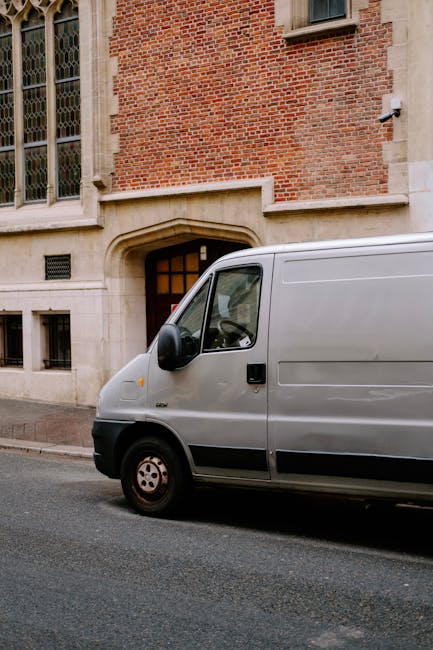
Why Do I need a permit to park a removal van in Belmont? Matters
Parking sounds like a small detail until the removal van cannot stop where it needs to. Then it becomes the whole move. In Belmont, the issue is usually less about the word "permit" in the abstract and more about whether the van can legally and safely load close enough to your property without causing an obstruction or breaking parking rules.
That matters because a removal van is not like a family car nipping in for five minutes. It is larger, heavier, slower to manoeuvre, and often needs extra space for loading doors, ramps, trolleys, and two people carrying awkward furniture. A van parked badly can block a driveway, sit over dropped kerbs, or sit in a bay that is not meant for loading at all. That is where people run into trouble.
There is also the practical side. If the van ends up too far away, every box is carried farther. More walking means more time, more fatigue, and more risk of dropping something. If you are moving a sofa, a mattress, or anything bulky, that extra distance can be the difference between a calm hour and a noisy, sweaty scramble. We have all seen it: one van parked "just round the corner" and suddenly the hallway turns into a relay race.
To be fair, many Belmont streets are manageable with sensible timing and a decent plan. But if your move involves narrow access, limited bays, school-run traffic, or residents' parking controls, the parking question deserves proper attention. It is one of those little things that keeps the day from wobbling.
How Do I need a permit to park a removal van in Belmont? Works
There is no single universal answer that covers every street in Belmont. Instead, parking permissions usually depend on local parking controls and how you intend to use the van on the day. The key is to separate three ideas: parking, loading, and obstruction.
Parking means leaving the vehicle in a space or bay. Loading means stopping long enough to move belongings in or out. Obstruction means blocking access, traffic flow, driveways, or other road users. A short loading stop may be tolerated in some locations, but only if it is lawful and does not breach restrictions. A permit may be needed where normal parking rules do not allow a large van to wait, even briefly.
In practical terms, you should check whether the road has:
- resident permit bays
- pay-and-display restrictions
- single yellow or double yellow lines
- loading-only bays
- time-limited waiting restrictions
- width or height constraints
- access issues near junctions or crossings
If the property is on a street with controlled parking, the removal company may advise you to organise permission in advance. Sometimes this means arranging a temporary suspension of a bay or confirming loading exemptions. Other times, it simply means planning the timing so the van can load legally within the rules already in place. It really does depend on the exact street, and on the day.
A useful rule of thumb: if you are thinking, "I'll just see what happens when we get there," that is probably the moment to slow down and check. You do not want a driver circling the block while your washing machine waits in the hallway, and you definitely do not want a penalty or complaint halfway through the move.
Key Benefits and Practical Advantages
Sorting out van parking properly is not just about avoiding a ticket. It gives the move shape. Once the vehicle access is clear, everything else tends to settle down around it.
- Less stress on the day: you know where the van can stop, so the crew is not improvising at the kerb.
- Faster loading and unloading: shorter carrying distance means fewer trips and less fatigue.
- Lower risk of damage: fewer awkward turns, less chance of scraping furniture or walls.
- Better timekeeping: if a slot or permit window exists, you can schedule the move around it.
- Fewer disputes: no arguments with neighbours, residents, or enforcement over where the van is parked.
There is also a less obvious benefit: confidence. Once you have checked the parking situation, everything else feels more manageable. The packing, the kettle, the fragile stuff, the awkward mirror that no one wants to carry - all of it sits inside a plan that actually works.
If you are still at the planning stage, articles like avoid hidden fees in Belmont removals pricing explained can help you understand where parking-related delays or access issues may affect the final cost. And if the move is unexpectedly urgent, the same-day van emergency removal checklist is worth a look.
Who This Is For and When It Makes Sense
This question matters for more people than you might think. It is not just for big house moves with a lorry-sized van. Smaller moves can cause parking problems too, especially in busier parts of Belmont or where the property sits close to a main route.
You should think carefully about permits or parking permission if you are:
- moving from a flat with limited roadside access
- using a large removal van or long-wheelbase vehicle
- moving on a weekday morning or evening
- moving near a station, school, or busier road
- working with a team that needs a clear loading point
- moving furniture that takes time to handle, such as a piano, sofa, or bed
- taking possession of a property where the closest legal stop is not directly outside
For instance, if you are relocating a fragile or heavy item, the logistics matter even more. A move involving specialist handling may benefit from extra space and a safer stop location, which is why people often pair parking planning with services like piano removals Belmont or furniture removals Belmont. If you are shifting into a shared building or smaller apartment, the access challenge can be more annoying than dramatic, but it still needs thinking through.
Students, office movers, and same-day movers all face their own version of this problem. A student move might sound light, but a few awkward trips up stairs and a van parked a little too far away can turn it into a long afternoon. An office move can be worse because the schedule is usually tighter. And if you are moving on short notice, there may be less time to sort permissions, which is why services like student removals Belmont and office removals Belmont often place such emphasis on access planning.
Step-by-Step Guidance
If you want the shortest practical version, here it is: check the road, check the restrictions, confirm with the mover, then line up your loading plan. But let's do it properly.
- Look at the exact address and street layout. Not just the postcode. The actual road matters. Is there room to stop? Is the kerb wide enough? Is the street one-way? Is there a bend, a school, or a narrow choke point?
- Check the parking signs outside the property. Read the wording, the days, the times, and the bay type. Small details matter. A sign that looks harmless at a glance can still mean no stopping between certain hours.
- Decide whether the van can use normal loading rules. Some stops are fine for short loading if they are lawful. But if the van will sit longer, or if the road does not allow it, you may need a permit or alternative arrangement.
- Speak to the removal company early. They will often know the kind of access issues that come up in Belmont. A decent mover will ask about the street, the floor level, and whether they can park close to the property.
- Plan the timing carefully. Early morning can be calmer, but not always. School times, commuter periods, and bin collection days can all complicate access. The first slot of the day often helps.
- Prepare a fallback plan. If the van cannot stop directly outside, decide where it can safely wait and who will guide loading. A few extra metres may be fine; a half-block detour is less fine.
- Confirm any temporary arrangements in writing if possible. If a parking suspension, permission, or special arrangement has been agreed, keep the details handy on moving day.
If you are doing some of the move yourself, a little pre-planning helps more than most people expect. Guides such as streamline your packing process with these tips and secrets to successful pre-move decluttering can make the loading side cleaner and faster.
Expert Tips for Better Results
Here are the small things that tend to save the day. Not glamorous, but effective.
- Measure the walking distance from van to door. Ten metres is manageable. Forty metres starts to bite, especially with furniture.
- Have someone available to hold spaces where safe and lawful. Only where allowed and never in a way that puts anyone at risk.
- Keep the heaviest items closest to the exit. That reduces the number of awkward lifts.
- Pack an access bag. Keys, phone, permit confirmation, water, a pen, and maybe a snack. Yes, seriously. Moving day hunger is real.
- Photograph the parking signs and bay markings. It can be helpful if there is any later disagreement.
- Build in five to ten minutes of slack. In removals, small delays are normal. A door gets stuck, a mattress needs extra wrapping, someone cannot find the lift button. The day has its own little sense of humour.
One more thing: if you are moving large or awkward items, use proper lifting technique. A badly parked van and a rushed lift are not a great mix. It is worth reviewing kinetic lifting guidance and how to lift heavy weights solo and stay safe before you decide to do too much yourself. You only get one back, as the old saying goes.
Common Mistakes to Avoid
Most parking problems on removal day are predictable. That is the annoying part. They happen because people assume the street will "sort itself out". Streets do not do that, generally.
- Assuming a van can stop anywhere for a few minutes. Not always true, especially on restricted streets.
- Ignoring bay signs or road markings. Small print matters more than you think.
- Leaving permit checks until the morning of the move. By then, your options are narrow and stress rises fast.
- Booking the wrong size vehicle for the access. A larger van is not always better if the road is tight.
- Not telling the mover about stairs, narrow entries, or shared entrances. This one creates chaos, then sighing, then more chaos.
- Blocking neighbours or driveways. Even if you are under pressure, it is not a good look and can cause complaints.
- Forgetting about return loading. You may have a good spot at the start and no spot once the first load is out.
A tiny practical detail: if you need to dispose of bulky items before or after the move, do not assume the van can be used as a dumping ground while parked on the street. That tends to create a mess, a delay, and sometimes a complaint. If you are weighing up who should clear bulky waste, the article who clears bulky waste in Belmont: removals versus council is a useful companion read.
Tools, Resources and Recommendations
You do not need a toolbox full of specialist kit to manage parking well. But a few sensible resources make the process easier.
- Street photos: a quick picture of the parking situation outside your property helps you brief the mover.
- Simple measuring tape: useful for checking whether a van can stop close enough to the entrance.
- Printed or saved instructions: especially if the property is in a complicated block or side road.
- Boxes packed by room: easier to load quickly and identify on the van.
- Wrapping materials: to keep items ready if loading is delayed or moved a little further away.
- A realistic timeline: not a fantasy version. The real one.
If you are still building out the move plan, these pages can help with related parts of the job: packing and boxes Belmont, services overview, and insurance and safety. For moves where items need a temporary holding point, storage Belmont can be a practical stopgap.
If you are comparing moving options, it is also sensible to look at the wider support available in the area. A well-organised move often starts with choosing the right level of help, whether that is man with a van Belmont, man and van Belmont, or a more full-service approach like removal services Belmont and removals Belmont.
Law, Compliance, Standards, or Best Practice
This is where a careful tone matters. I am not going to pretend every street in Belmont follows the same rulebook, because it does not. Parking restrictions, loading permissions, and any permit requirement usually depend on local street controls, road markings, signage, and the vehicle's activity at the time. If a move will affect parking bays or road access, you should treat that as a planning issue rather than an afterthought.
Best practice is simple: check the signs at the property, review any resident or controlled parking restrictions, and confirm arrangements before move day. If the van may need to wait in a restricted area, the mover or property occupier may need to arrange permission in advance. If there is any uncertainty, ask early. It is much easier to adjust the plan than to argue with a restriction after the van has already arrived.
From a safety and compliance perspective, the main priorities are:
- keeping access clear for emergency vehicles and pedestrians
- avoiding blocked driveways or crossings
- not leaving a van in a position that creates danger or obstruction
- following any signposted loading conditions exactly
- making sure the crew can move safely, especially with heavy or fragile items
That also ties into broader moving best practice. Responsible removals should not be rushed in a way that creates risk. If the access point is awkward, the mover should adapt the handling method rather than force the issue. If you want a fuller picture of how a professional team approaches the job, have a look at health and safety policy and removal companies Belmont.
Options, Methods, or Comparison Table
Different parking approaches suit different moves. Here is a practical comparison to help you decide what makes sense.
| Option | Best for | Pros | Watch-outs |
|---|---|---|---|
| Normal roadside loading | Quiet streets with clear space | Simple, quick, low admin | Only works if restrictions allow it |
| Use of an existing bay | Properties near legal parking bays | Convenient and close to the door | May be time-limited or paid parking |
| Temporary permission or suspension | Controlled parking areas | Gives the van a planned stop point | Needs checking well in advance |
| Park slightly farther away | Low-traffic moves with light loads | Can avoid permit issues | Slower and more physically demanding |
| Staggered loading with extra support | Large or awkward household moves | Flexible if access is tight | Needs coordination and time |
For smaller moves, the "park a bit farther away" option can be perfectly fine. For larger items or time-sensitive work, it can become tiring fast. A sofa that should take ten minutes can take thirty when you add a long walk and two stair flights. That is just the reality of it.
Case Study or Real-World Example
Here is a very typical Belmont scenario. A couple are moving out of a first-floor flat on a road with limited parking. They assume the van can stop outside for half an hour while they carry everything down. On inspection, the street has marked bays and time restrictions, and the nearest unrestricted space is not directly opposite the building.
Instead of winging it, they do three things: they speak to the removal provider, they check the road signs outside the property, and they shift the move to an earlier slot when the street is quieter. The van parks legally a short walk away, one person acts as a guide, and the team uses trolleys for heavier boxes. It is not perfect, but it works. No fines, no shouting, no awkward neighbour conversation at 8:15 in the morning.
Now compare that with the version where nobody checks. The van arrives, cannot stop where expected, someone double-parks "just for a minute," and loading starts under pressure. By mid-move, everyone is tense. A mirror gets carried a little too quickly, a box is left in the hallway, and the driver is still watching for a ticket. It becomes one of those days people remember for all the wrong reasons.
That is why parking is not just a legal question. It is a quality-of-move question.
Practical Checklist
Use this before moving day. Simple, boring, useful. The good stuff.
- Confirm the exact address and street layout
- Read the parking signs outside the property
- Check whether the van can legally load where you want it
- Ask the mover if a permit or parking arrangement is needed
- Choose the best loading time for traffic and access
- Keep a backup parking option in mind
- Pack boxes by room and label fragile items clearly
- Prepare a small access bag with keys, documents, and essentials
- Measure the distance from the door to the van position
- Protect awkward items before they leave the property
- Plan for bulky pieces separately, especially sofas, beds, or pianos
- Leave a little time buffer, because something always takes longer than expected
If your move includes a bed, mattress, or other large furniture, this guide may help too: smart solutions for transporting your bed and mattress. And if you are trying to get the property ready before the van arrives, achieving a pristine home before moving on is a very practical companion read.
Conclusion
So, do you need a permit to park a removal van in Belmont? Sometimes you do, sometimes you do not. The deciding factors are the road, the restrictions, the length of stay, and whether the van can stop safely and legally to load. If there is any doubt, check early rather than gambling on the day.
The real aim is not just to avoid a parking problem. It is to make the move calmer, quicker, and less tiring than it would otherwise be. A good parking plan saves steps, protects furniture, and stops those last-minute panic moments that nobody enjoys. And honestly, once that van is in the right place, the whole day feels lighter.
Get a free quote today and see how much you can save.
Take it one step at a time, keep the plan simple, and give yourself a little breathing room. Moving day is busy enough without the van becoming the villain.