Moving near Belmont Station? Van access and timing tips
Posted on 07/05/2026
If you're moving near Belmont Station, the logistics can feel a bit tighter than the map first suggests. The streets may look straightforward on Google Maps, but once a van is involved, things like narrow lanes, parking pressure, school runs, commuter traffic, and flat access all start to matter. A smooth move near Belmont Station is usually less about brute force and more about timing, vehicle choice, and a sensible loading plan.
That's the real trick: get the van in the right place, at the right time, with the right amount of prep, and the whole day becomes calmer. Miss those details and you can lose half an hour here, twenty minutes there, then suddenly the move feels rushed for no good reason. In this guide, we'll walk through practical van access and timing tips, plus the small local details that often get overlooked. You'll also find useful links to related moving advice, from decluttering before moving to packing essentials for a smoother house transition.
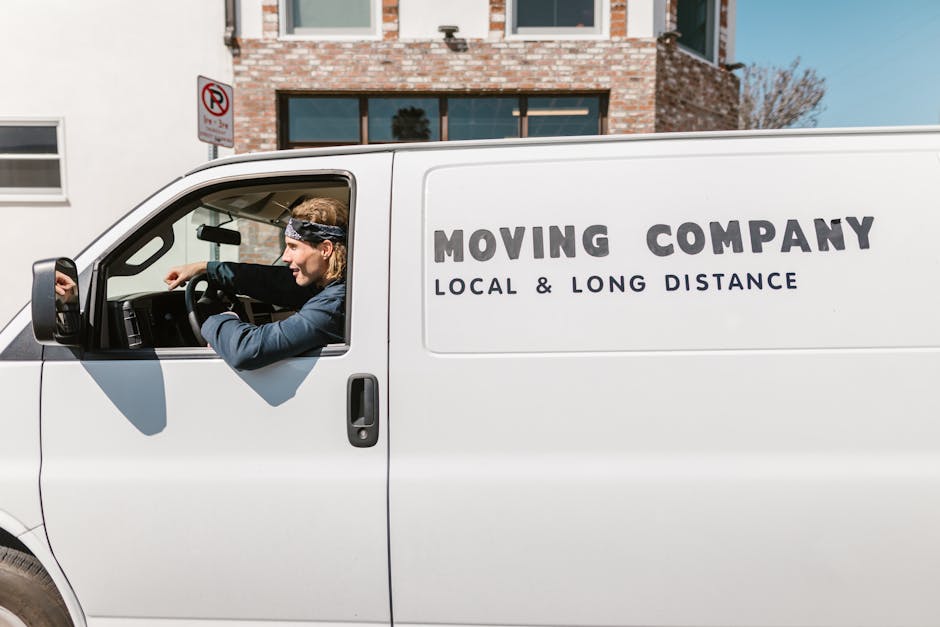
Why Moving near Belmont Station? Van access and timing tips Matters
Near a station, every minute has a little more friction. You've got commuters, drop-offs, delivery vehicles, people popping in and out, and sometimes the sort of road layout that looks calm until a van actually arrives. A small delay can block loading space, push your movers into a second trip, or force awkward carrying distances from the roadside to your front door. That's the difference between a tidy, controlled move and one that feels like a scramble.
Timing matters because local traffic patterns are rarely evenly spread through the day. Early mornings can be better for access, but not always if your building noise rules are strict. Midday may be easier for some buildings, but busier on the road. And late afternoon? Fine in theory, until school traffic or commuter flow changes everything. Truth be told, the "best" slot is usually the one that balances access, building rules, and realistic loading time.
Van access matters because the vehicle is only helpful if it can get close enough to do the job safely. A longer carry from van to front door means slower loading, more strain on the crew, and more chance of something being bumped. That's why local moving companies spend so much time asking about road width, bay restrictions, entry steps, and whether the van can be parked without causing a nuisance. It sounds fussy, but it saves headaches later.
If you're still at the planning stage, our services overview is a useful place to understand what a professional move can cover. For homes with bigger furniture or awkward routes, house removals support and flat removals support can be especially useful, because access planning is often different for each.
Key takeaway: near Belmont Station, the move usually goes better when you plan for access first and lifting second. The van, the time slot, and the walking route matter just as much as the boxes themselves.
How Moving near Belmont Station? Van access and timing tips Works
Good moving logistics near a station are built around three questions: Where can the van stop? How long can it stay there? How many trips will the team need to make? Once you answer those, the rest becomes much easier to coordinate.
In practice, the process usually starts with a quick review of the property and street. Is there driveway access, a loading bay, or only on-street parking? Is the street wide enough for a medium van with doors opening safely? Are there trees, bollards, low walls, tight turns, or parked cars that make manoeuvring awkward? A removal van doesn't need luxury conditions, but it does need a workable position.
Then comes timing. A sensible move slot near Belmont Station often aims to avoid peak commuter periods and avoid moments when road space is at its tightest. That may mean starting earlier than you'd normally like. Nobody loves a 7 a.m. start, granted, but if the road is clear and the temperature is cool, the day often runs better. If you're moving into a block of flats, building access times may matter too, and some developments are quite particular about booking lifts or protecting communal areas.
For people wanting a more hands-on moving option, man with a van support in Beddington or a man and van service can be a practical fit, especially if you are moving a modest household, student contents, or a few bulky items. If you need a larger vehicle or a more structured plan, a removal van may be the better call.
What usually slows things down?
- No space reserved for loading or unloading
- Furniture packed too late, so the van waits idle
- Building access codes or keys not ready
- Long carries from the van to the front door
- Unexpected traffic around the station approach roads
- Too many loose items that should have been boxed earlier
Some of those problems are unavoidable. Most are not.
Key Benefits and Practical Advantages
When van access and timing are thought through properly, the whole move feels less physical and less emotional. That might sound dramatic, but moving day is already full of little decisions. Take away the access stress and you create room for everything else to go right.
One major benefit is faster loading and unloading. If the van can park close to the property, the team spends less time walking and more time moving. That means fewer delays, less lifting, and a lower chance of fatigue setting in before the last box is loaded.
Another benefit is lower risk of damage. Longer carries often mean more chances to clip a wall, scrape a door frame, or drop something awkward. A short, direct route from front door to van is simply easier to control. This matters especially for awkward items like wardrobes, TVs, mirrors, and anything with a bit of wobble to it.
There's also the stress factor. Lets face it, moving day already has enough moving parts. When parking, access, and timing are already sorted, you get a small but important psychological win. The day feels organised. You can breathe a little.
If your move involves furniture that needs special handling, you may want to read more about furniture removals in Beddington. For especially delicate items, the guidance on piano removals is useful too, even if you're not moving a piano. It shows how careful planning changes the whole job.
Practical advantage in one line: the closer the van gets, the smoother the move tends to be. Simple, but true.
Who This Is For and When It Makes Sense
This kind of planning is valuable for almost anyone moving near Belmont Station, but it matters most if you fall into one of these groups:
- Flat movers who need to manage stairs, entrances, or shared access
- Families with several bulky items and a tight schedule
- Students moving between term-time accommodation and home
- Office movers with equipment that must be loaded fast and efficiently
- People on a same-day timeline where there is very little room for delay
If you're moving a one-bed flat, a careful van plan can make the difference between one trip and multiple trips. If you're moving a family home, timing gets even more important because children, pets, and key handover times all add pressure. And if you're a student, you may only have a small window to get in and out before building access shifts or transport becomes a nuisance.
The same logic applies to businesses. With office removals, timing can protect productivity and reduce disruption. For shorter-notice jobs, same-day removals support can be helpful, though it still pays to check access properly rather than assume it will all work out on the day. It rarely does, if nobody has looked at the parking.
If you need a flexible option for a lighter move, student removals may be the simplest fit. For larger or mixed-size moves, full removals support is often the more sensible route.
Step-by-Step Guidance
Here's a straightforward way to plan your move near Belmont Station without overcomplicating it.
- Check the access point first. Stand outside your property and look at it as a driver would. Can a van stop safely? Is there a bend, a slope, or an awkward kerb?
- Confirm parking rules early. Some roads are fine in the morning but difficult later. If you're unsure, speak to your local authority or building management. Don't leave this to chance.
- Measure the bulky items. Wardrobes, mattresses, sofas, and large white goods can create surprises. A tape measure now is much cheaper than a last-minute panic later.
- Book the loading window with traffic in mind. If possible, avoid the busiest commuter periods around the station and nearby roads. Early daytime slots are often easier.
- Pack for speed. Put loose items into labelled boxes and keep essentials separate. A clear moving path helps the van crew work faster.
- Decide what needs special handling. A piano, freezer, heavy mirror, or antique cabinet should not be treated like a standard box.
- Prepare the final exit route. Clear hallways, check lighting, and remove small obstacles. That tiny shoe by the door? It matters more than you think.
- Keep contact details ready. If the van needs a better stopping point, or the building entry changes, being reachable saves time.
One smart habit is to do a quick "last walk" through the property the evening before. Check for chargers, keys, paperwork, and anything tucked behind a sofa. You'd be surprised how often the missing item turns out to be in the laundry basket. Happens all the time.
For more practical help with preparation, the guide on stress-free moving-day planning offers useful organising ideas, while decluttering before moving can reduce load size before the van even arrives.
Expert Tips for Better Results
Small improvements make a big difference on moving day. A few of the following tips sound obvious, but in our experience, the obvious things are exactly what get forgotten when life gets busy.
1. Aim for the quietest workable time slot
Near a station, the quietest hour is often not the same as the easiest hour. You want a slot that balances road access, building access, and crew efficiency. If your move can start before the commuter peak or after the school rush, that's often a win.
2. Keep the van load sequence logical
Heavy items should go in first, then stable boxes, then lighter or fragile items that can be secured above and around them. It's a basic loading rule, but it prevents wasted space and awkward re-handling.
3. Protect the route as well as the item
Door frames, stair edges, and corners matter. If a route is tight, use protection, move slowly, and keep communication clear. A lot of small damage comes from hurry, not from bad luck.
4. Don't let packing trail behind the van
The moving team can only work as fast as your prep allows. If boxes are still being taped while the van is on the road, the whole schedule begins to wobble. A little front-loading of effort pays off.
5. Use the right help for the awkward stuff
If you're dealing with oversized furniture, fragile instruments, or anything truly heavy, ask for proper moving help. The guidance in safe solo lifting and lifting technique basics is worth reading, even if you expect to have help on the day.
And yes, one extra hand can feel like a miracle when the front door is only just wide enough. Not glamorous, but very effective.

Common Mistakes to Avoid
The biggest moving mistakes near Belmont Station are usually boring ones. Nothing dramatic. Just avoidable logistics that snowball.
- Assuming parking will be available. "We'll just find a space" is not a plan.
- Booking during peak traffic without checking the route. The station area can be busy, especially at predictable times.
- Leaving bulky items until last. That's how the schedule gets messy.
- Ignoring access restrictions inside the building. Lifts, stairwells, entry codes, and booking windows matter.
- Underestimating how long carrying takes. A 10-metre carry sounds short until it has to happen 20 times.
- Not clearing the destination. Boxes need somewhere to go. Obvious, yes. Still forgotten.
One mistake deserves a special mention: trying to squeeze too much into one vehicle without thinking through the order. That can lead to reloading, which is one of the least enjoyable parts of any move. It's slow, tiring, and a bit soul-destroying if you're standing there in the drizzle while someone says, "Actually, that last chair needs to come back out."
If you want to avoid that kind of mess, take a look at what to pack first and how. The article on moving beds and mattresses more efficiently is also handy if you're dealing with oversized bedroom furniture.
Tools, Resources and Recommendations
You don't need a mountain of equipment to move well near Belmont Station, but a few things make the day easier.
| Tool or resource | Why it helps | Best for |
|---|---|---|
| Measuring tape | Checks furniture dimensions against doorways and van space | Bulky furniture, flats, awkward stairwells |
| Labels and marker pens | Keeps boxes organised and speeds unloading | Every home move, especially multi-room properties |
| Furniture blankets and straps | Protects items during transit and secures load placement | Sofas, wardrobes, appliances, delicate items |
| Floor and door protection | Reduces scratches, scuffs, and friction on tight routes | Flats, shared entrances, narrow hallways |
| Local route check | Helps identify peak traffic and access bottlenecks | Any move near a station or busy residential road |
For packing supplies, our packing and boxes service can save time and cut down on last-minute supermarket runs. If storage is part of the plan, storage options in Beddington can help when you're between homes or waiting on completion dates.
If safety and assurance matter to you, it's also worth reviewing insurance and safety information and the company's health and safety policy. That kind of detail can be reassuring, especially for valuable or fragile furniture.
Law, Compliance, Standards, or Best Practice
For most household moves near Belmont Station, the main legal and practical concerns are parking, access, and safe handling. You don't usually need specialist legal knowledge, but you do need to respect local rules and common-sense standards. In the UK, that generally means checking whether you're allowed to park where you plan to load, whether a bay or permit applies, and whether your move might block other road users.
If you're moving into a managed building, there may also be internal rules about lift protection, booking time slots, noise, or where trolleys may be used. These are not just formalities. They are there to protect the building and keep everyone from becoming irritated by a furniture parade through the hallway at the wrong time.
From a best-practice point of view, professional movers should plan to reduce risk, keep walkways clear where possible, and use appropriate lifting methods for awkward or heavy items. A sensible moving team should also be transparent about what they can and cannot do, especially around access restrictions or restricted parking.
If you want reassurance on how a company handles service expectations and customer information, pages such as about us, pricing and quotes, payment and security, and terms and conditions can be useful. They show how a service operates before you book, which is always worth checking. Better that than discovering a snag at 8:15 on moving morning.
Options, Methods, or Comparison Table
Different moving methods suit different access situations. Near Belmont Station, the right choice often depends on how far the van can get, how much you're moving, and how much time you have.
| Option | Best for | Strengths | Watch-outs |
|---|---|---|---|
| Man and van | Small to medium moves, students, partial loads | Flexible, often cost-effective, easier for short notice | May need more trips if access is poor or volume is underestimated |
| Full removals service | House moves, flats with multiple rooms, families | More structured, better for bulky items and larger loads | Usually requires better preparation and more detailed planning |
| Same-day removals | Urgent relocations or short-notice changes | Fast response, useful when timing is tight | Less room for error; access details must be accurate |
| Self-move with hired van | Very small budgets or simple moves | Control over timing and packing | More physical work, more risk, and less local support |
If the route is narrow and parking is limited, a smaller vehicle or a well-briefed man with a van in Belmont can be a practical choice. For larger properties, house removals in Belmont may be better suited to the job. If your move is more apartment-based, flat removals can be a smarter fit.
Case Study or Real-World Example
Imagine a couple moving from a first-floor flat near Belmont Station into a terrace house a short drive away. On paper, it looks simple. But the original flat has a narrow access road, limited on-street parking, and a stairwell with a tight turn halfway down. The new property has better parking, but only if the van arrives before the busiest commuter window.
They did three things right. First, they measured the bigger items and accepted that the old sofa would be awkward, so it was wrapped and handled separately. Second, they agreed an early loading time, before the road became congested. Third, they cleared the hallway and labelled boxes by room, so unloading at the destination was quick and tidy. Nothing magical. Just decent planning.
The result? Fewer pauses, no frantic search for a parking space, and a calmer handover. One of those moves where, at the end, everyone is tired but not rattled. That matters more than people think.
Now compare that with the common alternative: leaving the van timing vague, starting the packing late, and hoping the front bay will be free. That version usually involves stress, extra walking, and at least one moment where somebody says, "We should probably have thought this through a bit earlier." Painfully familiar, isn't it?
Practical Checklist
Use this checklist the day before and the morning of the move.
- Confirm van arrival time and contact number
- Check parking arrangements and access routes
- Measure doorways, stairs, and large furniture
- Pack essentials separately for the first night
- Label boxes by room and priority
- Clear hallways, entryways, and stairwells
- Protect floors, corners, and fragile surfaces where needed
- Keep keys, documents, and chargers in one safe bag
- Tell the moving team about any fragile or heavy items in advance
- Leave yourself a little buffer for traffic or access delays
If you want more help getting ready, the advice in packing efficiently for moving day and simple steps to a less stressful move is well worth a read. And for anything especially heavy, the article on lifting safely when you're on your own is a sensible backup.
Conclusion
Moving near Belmont Station is absolutely manageable, but the winning formula is simple: respect the access, plan the timing, and prepare the load properly. Once the van can park well and the move window is realistic, everything else starts to settle down. The day feels less like a rush and more like a process you can actually control.
That's especially true around station areas, where traffic and parking can change the tone of the whole move. A little forethought goes a long way. If you're moving soon, the best thing you can do now is check access, make a clean packing plan, and choose the right moving support for the job. The rest tends to follow.
Get a free quote today and see how much you can save.
And if you're still weighing up your options, it never hurts to speak to a local team that understands the area, the timing pressure, and the little practical details that make a moving day feel properly under control. That bit of reassurance can make all the difference.