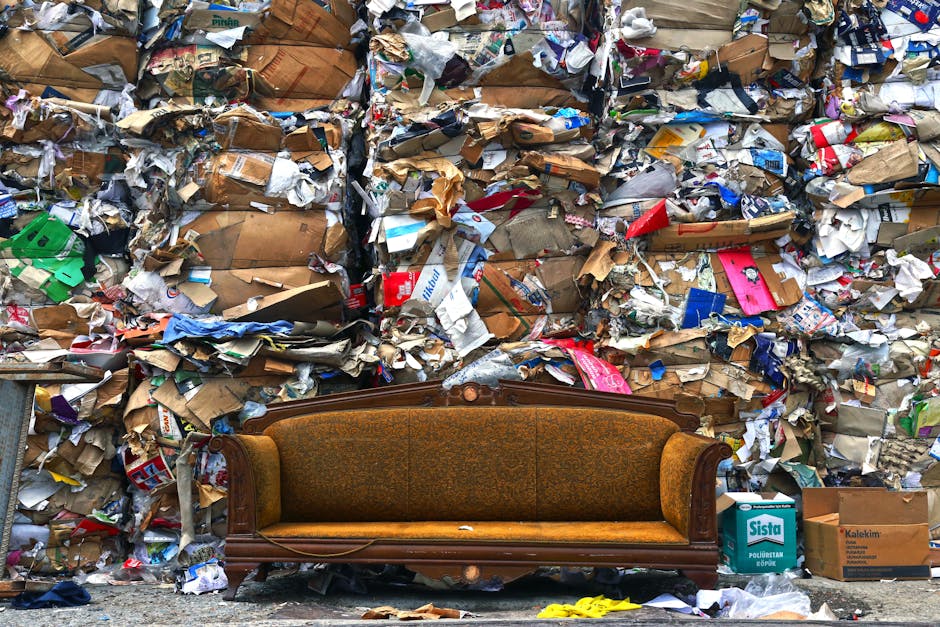
Who clears bulky waste in Belmont -- removals vs council
Posted on 07/05/2026
Who clears bulky waste in Belmont -- removals vs council: a practical guide to the best option
Got a sofa stuck in the hallway, a broken wardrobe in the garage, or a pile of garden debris that has quietly become a mountain? You are not alone. In Belmont, the question of who clears bulky waste usually comes down to two routes: a private removals service or the local council. Each can work well, but they suit different situations. The trick is knowing which one fits your waste, your timing, and your budget.
This guide breaks down Who clears bulky waste in Belmont -- removals vs council in plain English. We will look at how each option works, what to expect, when each makes sense, and where people often get caught out. If you want a broader sense of what a professional clearance service can handle, it may also help to read about house clearance services and the different types of loads they manage.
Truth be told, bulky waste sounds simple until you are standing in front of it. Then questions appear fast: Can the council take it? Do they charge? Will they collect from inside the property? What if there is a mattress, a fridge, and a bit of builder's rubble mixed in? Let's make it clear, without the fluff.

Why Who clears bulky waste in Belmont -- removals vs council Matters
Bulky waste is one of those household jobs that feels minor right up until it becomes urgent. A sofa blocks a room you need to use. Old cabinets take up half the shed. A broken freezer is too heavy to shift safely on your own. In Belmont, choosing between a council collection and a removals service can affect how quickly your space is cleared, how much lifting you need to do, and whether the item is actually accepted.
The decision matters for a few simple reasons. First, timing. Council collections are often planned in advance, and availability may be limited. Private removals can usually be arranged faster, sometimes even at short notice. Second, flexibility. A council service may have rules on what it will take, how much you can leave out, and where it must be placed. A removals team can often handle mixed loads, awkward access, and inside-property collection. Third, peace of mind. If you have stairs, a narrow hallway, or a bulky item that needs two people and decent gloves, you probably do not want to wrestle with it yourself on a wet Thursday morning.
There is also a sorting issue. Some waste streams need special handling, such as fridges, mattresses, electrical items, or construction debris. A good removals provider should understand the difference and manage it appropriately. If you are dealing with a wider declutter rather than a single item, the wider service pages on flat clearance and garage clearance can be useful because they show how different property types and storage spaces are typically cleared.
For households, landlords, and small businesses alike, the real issue is not just removal. It is removal with the least amount of hassle. And that is where the council-versus-removals choice becomes practical, not just administrative.
How Who clears bulky waste in Belmont -- removals vs council Works
At a basic level, both options are trying to solve the same problem: get large, awkward, non-routine waste out of your way. The difference is in the process.
Council bulky waste collection
A council collection usually means you book a slot, pay a set fee if one applies, and present the bulky items in the way the council requests. In many places, this is designed for straightforward domestic items such as a sofa, a mattress, a table, or a small number of white goods. The service may be more economical for a single item or a tidy, predictable load. But there can be limits on access, quantity, item type, and collection times.
In practical terms, that can mean the items must be left outside by a certain time, in a safe and accessible spot. If you live in a terraced house or a flat with awkward access, that detail matters more than people expect. A missed instruction can delay the collection or result in the item being refused. Annoying, yes. Common, also yes.
Private bulky waste removals
A private removals service is usually more flexible. The team can often come to the property, lift items from inside, deal with mixed loads, and remove multiple bulky items in one visit. This is handy if you are clearing out after a move, replacing furniture, or trying to empty a property that has built up clutter over time. For many customers, the biggest advantage is convenience. You do not spend the morning dragging a wardrobe down the stairs while muttering at the weather.
Private services can also be a better fit when the load includes several categories of waste. For example, you may have a broken wardrobe, a mattress, a dismantled bed frame, and a few bags of general junk. A well-organised clearance team can sort that in one visit rather than forcing you to split the task across multiple bookings.
How the work usually unfolds
- You describe the items and location.
- The provider confirms what can be taken and how the pricing works.
- A collection time is arranged.
- The team removes the items, usually loading them for transport.
- The waste is then sorted for reuse, recycling, or disposal depending on the service and material type.
That is the simple version. The real-world version sometimes includes "Can you take the garden bench too?", "Actually, there are two more bags in the shed," and the classic last-minute discovery of one more broken chair. Happens all the time.
Key Benefits and Practical Advantages
Once you understand the basic difference, the benefits become easier to compare. Neither option is universally better; each has strengths.
| Option | Main advantage | Best for | Potential drawback |
|---|---|---|---|
| Council bulky waste collection | Often straightforward and may suit a small number of standard items | Simple domestic disposal with predictable timing | Can be slower, stricter, and less flexible |
| Private removals service | More flexible, faster, and usually handles mixed loads | Busy households, awkward access, larger clearances, urgent jobs | May cost more than a basic council collection |
Practical advantage of the council route: if your item list is neat and you are not in a rush, the council may be enough. This is especially true for one-off items that fit the service rules without drama.
Practical advantage of the removals route: if you need the stuff gone quickly, or the job is physically awkward, a removals team tends to reduce stress significantly. You are paying for speed, lifting, and flexibility. Sometimes that is worth every penny, especially if the alternative is waiting around with half a room unusable.
There is another quiet benefit people forget: reduced risk of injury. Bulky waste is awkward for a reason. It is heavy, unstable, and full of sharp corners. If the item needs two people and a careful route through your home, that alone can justify using help. We have all tried to "just tilt it a bit" and regretted it five seconds later.
If your wider project involves stripping a room or resetting a space, you may also find bereavement clearance and property clearance pages useful for understanding how more sensitive or full-scale jobs are usually organised.
Who This Is For and When It Makes Sense
This topic matters to more people than you might think. Bulky waste is not just about a one-off sofa. It crops up in ordinary life everywhere.
- Homeowners replacing furniture, appliances, or garden items.
- Tenants moving out and needing to clear unwanted items quickly.
- Landlords and letting agents dealing with abandoned furniture or end-of-tenancy clutter.
- Families doing a long-overdue declutter after a renovation or a room change.
- Older residents who may need safe lifting support rather than a DIY move.
- Small businesses clearing office furniture, shop fixtures, or storage waste.
It makes sense to compare council versus removals when the job sits in that grey area between "I can probably manage this" and "this is now a proper task". If the item is light, easy to access, and your schedule is flexible, the council route may be enough. If the item is bulky, awkward, urgent, or part of a bigger clear-out, a private removals service is usually the calmer choice.
One useful way to think about it is this: are you buying collection, or are you buying convenience? Because that is really the choice.
For mixed household jobs, the service range on office clearance can also be relevant if your "bulky waste" includes desks, chairs, shelving, or other work-related items.
Step-by-Step Guidance
If you want to choose well, do not start with price alone. Start with the waste itself. That will save time and, frankly, a few headaches.
- List every item clearly. Write down what needs to go, including size, quantity, and whether anything is broken, heavy, or hazardous.
- Check access. Ask yourself whether the items are on the ground floor, in a loft, in a basement, or tucked behind a narrow stairwell.
- Separate special items. Fridges, freezers, electrical goods, mattresses, paints, and rubble may need different handling.
- Decide how urgent it is. If the room needs to be usable tomorrow, speed matters more than a small saving.
- Compare council rules with removals flexibility. Consider booking lead time, item limits, collection location, and whether the team carries from inside.
- Ask for a clear quote. Make sure you understand whether the price covers labour, loading, and disposal.
- Prepare the space. Clear a path, move small loose items, and make the collection route safe.
- Confirm what happens next. A good provider should tell you how the waste is handled and whether there are any restrictions.
A small but important point: if you are unsure whether an item is accepted, ask before collection day. Last-minute surprises are usually where the whole thing becomes messy. And nobody needs that kind of morning.
Expert Tips for Better Results
From experience, the smoothest bulky waste jobs are the ones where the customer gives a clear picture early. Not fancy. Just clear.
- Take photos before booking. A quick photo of the item and the access route can prevent misunderstandings.
- Group similar items together. Keep furniture, small bags, and electricals separated if possible.
- Measure the awkward bits. Doorways, stair turns, and hallway widths matter more than people realise.
- Do not leave it to the last minute. If you are moving house or ending a tenancy, book earlier than you think you need to.
- Be realistic about lifting. If it took two people to move the item in, it will likely take two people to move it out. Sometimes three. Maybe a stern look, too.
- Ask about reuse and recycling. Some items can be diverted from disposal if they are in reasonable condition.
Another good habit is to keep bulky waste separate from general household rubbish. It helps the provider assess the job properly and avoids accidental contamination. That matters with mattresses, electronics, and mixed loads especially.
And if your issue is not just waste but a cluttered room, garage, or inherited property, a broader service may be a better fit than several one-off collections. That is where planning ahead really pays off.

Common Mistakes to Avoid
People tend to make the same few mistakes with bulky waste in Belmont. None of them are dramatic on their own, but together they can waste time and money.
- Assuming the council will take anything bulky. Many collections have item and category limits.
- Not checking collection rules. Items may need to be left in a specific place, at a specific time.
- Underestimating the weight. A large wardrobe can be more awkward than a heavy box.
- Mixing prohibited items in with normal furniture. This can delay the whole collection.
- Forgetting access issues. A quote based on easy access may change if there are stairs, parking problems, or tight corners.
- Choosing on price only. The cheapest option is not always the least expensive once your time, effort, and delays are counted in.
One particularly common slip is booking a collection and then realising the item still needs dismantling. That is a classic. A bed frame that looked manageable in the bedroom becomes a tangle of bolts and regret on the landing. A little planning goes a long way.
Tools, Resources and Recommendations
You do not need specialised equipment for every job, but a few basics can make bulky waste removal much smoother.
- Work gloves for grip and minor protection.
- Measuring tape for doorways, corridors, and item dimensions.
- Phone camera to photograph items and access points.
- Bin bags or boxes for small loose contents before the main item is removed.
- Basic screwdriver or Allen key set if furniture needs dismantling.
- Moving blankets or old sheets if you need to protect floors or walls during a move.
From a service perspective, it helps to choose a provider that is clear about what it can and cannot take. If you are dealing with a wider property clean-up, pages like house clearance in London and loft clearance can help you understand how larger or access-heavy jobs are usually approached.
My advice? Get a quote based on the actual job, not the idea of the job. Those are often two different things, and by quite a bit.
Law, Compliance, Standards, or Best Practice
Bulky waste removal should be carried out responsibly. In the UK, the practical expectation is simple: waste should be handled by a legitimate service, transported safely, and disposed of in a lawful way. You do not need to become a legal expert to manage a sofa removal, but you should be wary of anyone offering an unusually cheap collection with vague answers about where the waste ends up.
As a general best practice, ask whether the provider is licensed or otherwise authorised to carry waste, whether it separates recyclable material where possible, and whether it can explain how different waste types are managed. That is especially relevant for electrical items, mattresses, and anything that might include hazardous elements. If a company is unclear, that is a warning sign. Simple as that.
For customers, there is also a duty to be sensible about what is handed over. Do not mix unknown chemicals, asbestos-containing material, or unsafe sharp waste into a domestic load and hope for the best. If there is any doubt, ask before booking and treat the item cautiously.
Best practice also means safe lifting and clear access. A good team will assess the route, protect walls where needed, and avoid dragging heavy items across fragile floors. That sounds obvious, but the obvious bits are often what save the most trouble.
Options, Methods, or Comparison Table
Here is the clearest side-by-side view of the main options for bulky waste in Belmont.
| Factor | Council bulky waste | Private removals service |
|---|---|---|
| Speed | Usually slower and scheduled in advance | Often faster, sometimes same-day or next-day |
| Convenience | May require you to follow strict presentation rules | Often collected from inside the property |
| Item flexibility | Often limited to standard bulky household items | Usually more flexible with mixed or awkward loads |
| Labour | More lifting and preparation may be on you | Collection team usually handles the lifting |
| Cost | Can be suitable for small, simple jobs | May cost more, but often includes convenience and labour |
| Best use case | One or two straightforward items | Busy homes, larger clearances, difficult access, or urgent jobs |
If you are still unsure, a simple test helps: if the job would be annoying but manageable, the council route may fit. If the job is likely to become an ordeal, private removals usually wins on sanity alone.
Case Study or Real-World Example
A typical Belmont scenario might look like this. A family has replaced a sofa and two bedroom wardrobes after a long-overdue redecorating weekend. The old furniture is still in the house, the hallway is narrow, and there is a school run to squeeze in before lunch. The council route could work if the items fit the service rules and the family is happy to stage them outside. But if the wardrobes need dismantling and the sofa only just clears the stair bend, a private removals team becomes the easier choice.
In a case like that, the difference is not just speed. It is what happens to the rest of the day. With a removals team, the household can get back to normal quicker. With a council collection, there may be more prep and a longer wait, but the price might be lower. Neither answer is wrong. It depends on what you are trading off.
Another common example is a landlord clearing a property after tenants leave behind a mix of furniture, broken small appliances, and a few bags of general waste. That is rarely a neat council-style job. A broader clearance service is usually far more practical because it reduces the number of moving parts. Less back-and-forth, fewer surprises, less time spent on site. Which, let's face it, is usually the goal.
Practical Checklist
Use this checklist before you book anything:
- List every bulky item clearly.
- Check whether any item needs dismantling.
- Measure narrow routes, stairs, and doors.
- Decide how quickly the waste needs to go.
- Confirm whether the council accepts the item type.
- Ask whether a private removals team can lift from inside.
- Separate electricals, mattresses, rubble, and special waste.
- Take photos for accurate quoting.
- Confirm what is included in the price.
- Make sure the collection point is safe and accessible.
- Ask how the waste will be sorted or disposed of.
Practical summary: choose the council when the job is simple, patient, and rule-friendly; choose removals when the job is awkward, urgent, or physically demanding. That simple split solves most decisions.
Conclusion
So, who clears bulky waste in Belmont? The short answer is: both the council and private removals services can do it, but they serve different needs. The council is usually best for straightforward, routine bulky items where timing is not critical. Private removals are a stronger fit when you need speed, flexibility, inside collection, or support with heavier and messier jobs.
If you are standing in a room full of unwanted furniture, the "best" choice is usually the one that reduces stress, avoids back strain, and gets the job done properly the first time. That is the real win. A little planning now can spare you a lot of faffing about later.
And if the task feels bigger than it first looked, that is perfectly normal. Bulky waste has a funny way of looking innocent until you actually start moving it.
Get a free quote today and see how much you can save.