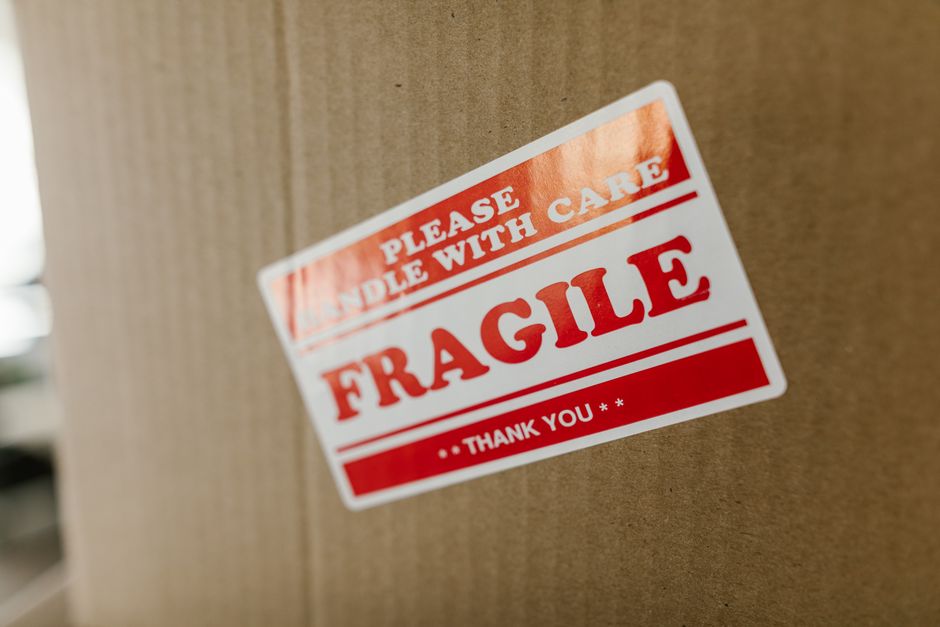
Dealing with damaged goods after a Belmont move
Posted on 18/06/2026
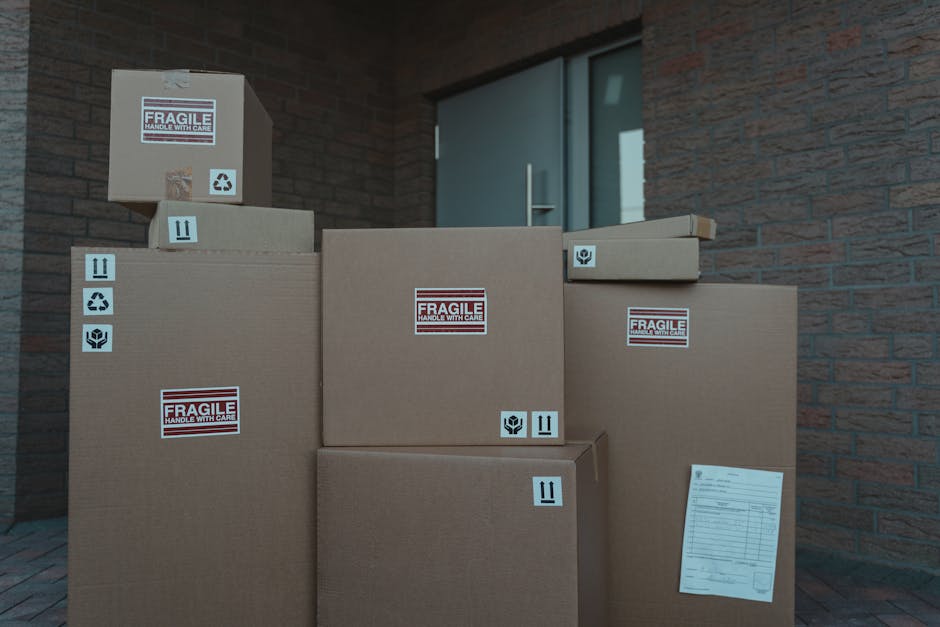
Dealing with damaged goods after a Belmont move: what to do, what to document, and how to recover calmly
If you have opened a box after moving and found a chipped table leg, a cracked mirror, or a box of smashed crockery, it can feel oddly personal. You've already done the packing, the lifting, the keys, the stress - and then this. Dealing with damaged goods after a Belmont move is never fun, but it is manageable if you stay organised and act quickly. The good news? Most situations get much easier once you know what evidence to gather, who to speak to, and what outcome you're actually asking for.
This guide walks you through the full process in plain English: how damage usually happens, what to check first, how to build a solid claim, when to repair or replace, and how to avoid the same headache next time. It is practical, local, and meant to save you a lot of back-and-forth.
Why Dealing with damaged goods after a Belmont move Matters
Damage after a move is not just an inconvenience. It can affect your budget, your timings, and your confidence in the people involved. A broken item may be replaceable; a damaged family heirloom or a carefully chosen sofa is a different story. Even when the item itself is not expensive, the disruption can be surprisingly large. You suddenly need to decide whether to repair, replace, store, dispose of, or claim.
In Belmont, where many moves involve flats, tight access, older furniture, shared stairwells, and a bit of curb-side juggling, small mistakes can snowball. A scratched wardrobe door might have happened during loading. A bent bed frame might not show until the room is quiet and you can finally see it in daylight. Truth be told, that is when people often realise they needed a better paper trail.
It matters because prompt, calm action usually gives you more options. It also helps separate genuine transit damage from pre-existing wear and tear. That distinction matters a lot when you are trying to resolve matters fairly with a mover, a landlord, storage provider, or insurer.
Expert summary: The best results come from acting early, documenting everything clearly, and keeping the conversation factual rather than emotional. Frustration is understandable. Evidence is stronger.
How Dealing with damaged goods after a Belmont move Works
The process is usually straightforward, even if it does not feel that way in the moment. First, you inspect the item and note the damage. Then you gather evidence: photos, dates, move notes, inventory lists, and anything that shows the condition before and after the move. After that, you contact the relevant party and ask for the correct next step under their process.
That relevant party depends on what happened. It might be a removal company, a man and van operator, a storage provider, or even your own contents insurer. If you used professional packing, the packing method matters too. If you packed the item yourself, the conversation may be different again. A vase wrapped in a single sheet of newspaper and placed under a stack of books is not the same as a TV in its original packaging. Obvious, yes, but worth saying.
Most claims or complaints are decided on the strength of the evidence and the clarity of the timeline. Was the item packed well? Was the item already marked? Was there a note on the inventory? Did you report the issue right away or two weeks later after the packaging had already gone in the recycling bin?
If you are still in the moving stage and want to reduce the odds of avoidable damage, useful background reading includes these packing process tips and simple steps for a less frantic moving day. Those articles are not about claims, but they do help prevent the kind of sloppy packing that later turns into a dispute.
Key Benefits and Practical Advantages
Handling damage properly gives you more than just a possible refund. It gives you control. That sounds a bit grand, maybe, but when a move has gone slightly sideways, control is exactly what people want back.
- Faster resolution: clear evidence usually speeds things up.
- Better outcomes: you can often negotiate repair, replacement, or compensation more confidently.
- Less stress: structured action reduces the emotional noise around the issue.
- Stronger future planning: you learn what packing or handling methods to improve next time.
- Cleaner communication: factual notes are easier for everyone to work with than a long angry message sent at midnight.
There is also a hidden benefit: the process teaches you what sort of move you actually had. Was it a straightforward household move, or a more delicate furniture job involving awkward staircases, oversized items, and too little parking time? If you learn that lesson now, the next move becomes easier. The next one usually is, anyway.
For larger or more vulnerable belongings, a more considered service can make a big difference. For example, specialist handling through furniture removals in Belmont can be a smarter fit for bulky pieces than treating everything as generic cargo. Likewise, fragile or high-value items often need a different approach from standard box-by-box transport.
Who This Is For and When It Makes Sense
This guide is for anyone who has unpacked damage after a move and is wondering, "Right, what now?" That includes renters, homeowners, students, landlords, small businesses, and anyone moving a few precious items rather than an entire house.
It is especially useful if:
- you have moved within Belmont and discovered damage after unloading;
- you used a man with a van or removal service and need to raise a complaint;
- you are unsure whether the damage happened before, during, or after transport;
- you packed everything yourself and need to understand where responsibility sits;
- you are weighing up repair, replacement, or insurance;
- you want to avoid repeating the same issue on the next move.
This also makes sense for people moving in a hurry. If the move was last-minute, or you had to book a vehicle quickly, the odds of mistakes can rise a bit. In that case, it helps to read the same-day van emergency checklist so you can see what to prioritise under pressure. Emergency moves are not the time for improvising with half-tied tape, let's face it.
And yes, students are included here too. Cheap doesn't have to mean careless, but student moves often involve mixed loads, borrowed boxes, and a rush to beat building access times. If that sounds familiar, a look at student removals in Belmont may help you judge what level of support is right for future moves.
Step-by-Step Guidance
Here is the practical bit. If damage has already happened, follow this sequence.
- Stop and inspect everything carefully. Open boxes fully, check corners, edges, glass, legs, hinges, and internal fittings. Some damage hides under wrapping or only becomes visible once the item is assembled.
- Photograph the item immediately. Take wide shots and close-ups. Include the packaging, the room, the van if relevant, and any labels or inventory tags.
- Write down the timeline. Note when the item was last seen in good condition, when it was packed, when it was loaded, and when the damage was discovered. A short note in your phone is enough if you do it properly.
- Check your paperwork. Look for an inventory sheet, booking confirmation, packing notes, terms, and any messages about fragile items or self-packed boxes.
- Separate different types of damage. A dent in a fridge door is not the same as a cracked plate. Group the damage by item and by likely cause.
- Contact the right person quickly. Keep the message calm and factual. Say what happened, when you noticed it, and what evidence you have.
- Ask what outcome they need from you. Sometimes they want photos first. Sometimes they want a written report, proof of purchase, or a repair estimate.
- Get a repair or replacement estimate if needed. If the item can be repaired, ask a reputable local tradesperson or retailer for a quote. For some furniture, replacement is more realistic than repair, especially where structural damage is involved.
- Keep the damaged item and packaging. Do not throw things away too early. That cardboard box may look useless, but it might be evidence.
- Follow up in writing. A clear email trail is much easier to refer back to than a phone call you vaguely remember over a week later.
One small but important point: if you are dealing with a heavy or awkward item, do not drag it around to "check it again" without help. That can make matters worse and, annoyingly, create a fresh injury risk. A simple guide like lifting heavy weights safely is a good reminder that one rushed lift can turn a damage issue into a back problem too.
Expert Tips for Better Results
In our experience, the difference between a smooth resolution and a messy one is often a handful of little habits.
- Use time-stamped photos where possible. Most phones do this automatically. Handy, that.
- Take pictures before and after the move. A pre-move photo of a coffee table corner can save a lot of debate later.
- Mark fragile items clearly and consistently. One label on one side is not enough if the box is going through multiple hands.
- Keep high-value items separate. Small valuables, documents, jewellery, and sentimental items are better carried personally.
- Check fragile wrapping before loading. Double-boxing, corner protection, and solid tape matter more than many people realise.
- Don't overpack boxes. Heavy overfilled boxes crush weaker items below them. The classic "just one more thing" approach causes more trouble than it saves.
- Be specific in your complaint. "My dining chair leg snapped during transit" is better than "my furniture got wrecked".
If the move involved treasured furniture, a bit of prior planning pays off. For example, some owners find that reading sofa storage care tips helps them understand how upholstery and frames should be protected. And if you had a bed or mattress in the move, a look at smart mattress transport advice is genuinely useful before the next relocation.
Also, do not ignore access conditions. Tight hallways, steep steps, parking restrictions, and poor timing can all contribute to damage. If you are moving near transport links or busy roads, something like van access and timing tips near Belmont Station can be more relevant than people expect. A five-minute delay can change how carefully large items are handled. A bit frustrating, yes, but very real.
Common Mistakes to Avoid
Most people make at least one of these mistakes when dealing with move-related damage. Better to spot them now.
- Waiting too long to report the issue. The longer you wait, the harder it is to link the damage to the move.
- Throwing away packaging. It may contain clues about impact, crushing, or poor stacking.
- Only sending one blurry photo. A single close-up is rarely enough.
- Assuming every mark is the mover's fault. That is not always the case, and overclaiming can backfire.
- Ignoring the terms and conditions. Nobody enjoys reading them, but they often matter more than people think.
- Trying to fix structural damage yourself. A quick DIY repair can void a later claim or make the problem look worse.
- Mixing up damage with normal wear and tear. A pre-used item may already have scuffs or loosened joints.
One slightly unglamorous truth: people sometimes discover damage while also dealing with boxes, cleaning, and stair dust everywhere. It is easy to rush. But rushing is exactly what makes the paperwork weaker. Slow down for ten minutes. That tiny pause can save you hours later.
Tools, Resources and Recommendations
You do not need much to handle this well, but a few things help.
- Phone camera: for photos and short video walkthroughs.
- Notes app: for timestamps, item descriptions, and who said what.
- Original receipts or bank records: useful for proof of ownership or value.
- Inventory list: if one exists, it is worth its weight in gold.
- Packaging materials: keep tape, cardboard, bubble wrap, and labels until the issue is resolved.
- Basic toolkit: useful for checking whether damage is superficial or structural, though don't force anything.
- Repair quotes: helpful when asking for a fair outcome.
For prevention as much as recovery, a few Belmont-specific planning pages are worth keeping in mind for future moves. packing and boxes in Belmont is relevant if you want stronger materials next time, and insurance and safety guidance is useful when you are deciding how much risk you want to leave on the table.
If you are unsure about the scale of service you need, a broader look at the available removal services can help you match the job to the right type of move. Not every move needs the same setup. Some do.
Law, Compliance, Standards, or Best Practice
There is no single rulebook that covers every damaged-goods situation in the same way, so it is safer to think in terms of UK best practice and the paperwork you agreed to at booking stage. If you used a removal firm, their terms, insurance position, and complaint process will shape the next steps. If you self-packed fragile items badly, responsibility may be shared differently. If a storage provider was involved, the storage contract matters too.
Good practice usually means:
- reporting damage promptly;
- keeping evidence in its original state;
- being honest about pre-existing wear;
- following the stated complaint or claims route;
- using polite, written communication so there is a record.
For businesses and landlords, record-keeping matters even more. If an office move or flat move has involved shared assets, the practical route is to document loss clearly, then decide whether repair, replacement, or a formal complaint is the right track. If the issue becomes heated, a sensible complaints process is better than a long string of messages that solves nothing. That goes for everyone, really.
When selecting providers in the first place, it is worth checking how they describe accountability, safety procedures, and payment handling. Pages like payment and security and the complaints procedure can give a clearer picture of what support you can expect if something goes wrong.
Options, Methods, or Comparison Table
Once damage has been discovered, you usually have a few ways to respond. The right option depends on the item, the value, and the evidence you have.
| Option | Best for | Pros | Watch-outs |
|---|---|---|---|
| Repair | Furniture, appliances, cosmetic damage | Can be cheaper than replacement; keeps familiar items in use | Not ideal for structural or safety-critical damage |
| Replacement | Severe breakage, low-value items, irreparable damage | Fast, simple end point | May cost more if item was high quality or custom-made |
| Insurance claim | Higher-value belongings or larger losses | May recover more of the cost | Can take time and may need detailed proof |
| Complaint to mover | Damage clearly linked to handling or transit | Potentially quicker than a formal claim route | Outcome depends on terms and evidence |
For bulky pieces, the difference between "repair" and "replace" can be obvious once you see the damage up close. A dining chair with a nicked leg may be repairable; a smashed glass cabinet, less so. And if the item is simply too awkward to move without specialist handling, the next move is to plan better on the front end rather than arguing with the back end. That's where man with a van support in Belmont or man and van options may fit better than a generic one-size-fits-all approach.
Case Study or Real-World Example
Here is a very typical scenario. A couple move from a first-floor flat in Belmont into a semi-detached house nearby. Their sideboard arrives with a deep scratch across the top and one of the legs is loose. At first, they assume the scratch happened when they unpacked. Then they find a matching scuff on the hallway wall and a torn patch on the blanket used in transit.
Because they had taken photos before collection, the condition of the sideboard was clear. They also had an inventory note showing the item as one of the higher-value pieces. Within a day, they sent a short email with the photos, the timeline, and a repair estimate. The damage was reviewed, and the repair path was much easier to agree than a long argument would have been.
Their biggest lesson? The damage was annoying, yes, but the real difference came from evidence and timing. They had not spiralled into blaming every box or every bump. They just followed the facts. It made the whole thing feel a bit less awful.
In another case, a student moving into shared accommodation discovered a cracked desk shelf after a rushed same-day move. They had no photos before collection and had reused flimsy boxes. In that one, the outcome was much harder to prove. A reminder, perhaps, that prevention is not glamorous, but it is effective.
Practical Checklist
Use this checklist as soon as you notice damage.
- Inspect all boxes and furniture thoroughly.
- Photograph damage from several angles.
- Keep packaging and labels.
- Write down the date and time of discovery.
- Note when the item was last known to be intact.
- Check your booking confirmation and terms.
- Find any inventory list or packing notes.
- Separate self-packed items from mover-packed items.
- Contact the relevant company or insurer promptly.
- Request the next step in writing.
- Get a repair or replacement quote if needed.
- Do not dispose of the item too early.
- Keep all emails and screenshots together.
- Review how the damage might have been prevented for next time.
If you are still preparing for a move and want to reduce the likelihood of future breakage, premove decluttering advice can be surprisingly useful. Fewer items, fewer boxes, fewer chances for something to go wrong. Simple, really.
Conclusion
Dealing with damaged goods after a Belmont move is stressful, but it is rarely hopeless. If you act quickly, document clearly, and stay practical, you give yourself the best chance of a fair outcome. You also protect yourself from a lot of avoidable confusion later. That matters whether you are claiming against a mover, speaking to an insurer, or just trying to understand what happened to your favourite bookcase.
The bigger lesson is that a good move is not only about getting everything from A to B. It is about knowing what to do when something does not arrive in quite the same condition. That is the difference between panic and progress. And honestly, after a move, progress is welcome.
Get a free quote today and see how much you can save.
With the right process, even a rough moving day can end with a sensible plan, a clear next step, and a much calmer evening than you expected.